New Siding and Windows Cost A Complete Guide


New siding and windows cost can vary wildly, depending on factors ranging from the materials you choose to the complexity of your home’s exterior. This guide breaks down everything you need to know to understand the costs involved in this significant home improvement project, from initial estimates to long-term savings. We’ll explore different materials, labor costs, and even ways to potentially save money through energy efficiency and rebates.
Understanding the financial implications of new siding and windows is crucial for planning your project effectively. We’ll walk you through different scenarios, from budget-friendly options to high-end choices, helping you make informed decisions that align with your budget and aesthetic preferences. By the end, you’ll be equipped to navigate the process with confidence and create a beautiful, energy-efficient home.
Factors Influencing New Siding and Window Costs
Replacing your siding and windows is a significant home improvement project, and understanding the cost factors is crucial for budgeting and planning. Several variables contribute to the final price, ranging from material selection and labor to permits and unforeseen complications. Let’s break down these key influences.
Material Costs for Siding and Windows
Choosing the right materials significantly impacts your overall budget. The following table provides a general overview of average costs; keep in mind that prices can vary based on location, quality, and specific product features.
| Material | Average Cost per Square Foot | Pros | Cons |
|---|---|---|---|
| Vinyl Siding | $3-$10 | Affordable, low maintenance, variety of colors and styles | Can be damaged easily, less durable than other options, may not increase home value significantly |
| Fiber Cement Siding | $8-$15 | Durable, fire-resistant, low maintenance, enhances curb appeal | More expensive than vinyl, requires professional installation, can be heavy |
| Wood Siding | $10-$30+ | Classic look, aesthetically pleasing, can be customized | High maintenance, susceptible to rot and insect damage, expensive |
| Vinyl Windows | $100-$300 per window (depending on size and features) | Affordable, low maintenance, energy-efficient options available | Can warp or fade over time, may not be as durable as other options |
| Wood Windows | $200-$500+ per window (depending on size and features) | Classic look, customizable, can be energy-efficient | High maintenance, requires regular painting or staining, susceptible to rot and insect damage |
| Fiberglass Windows | $300-$600+ per window (depending on size and features) | Durable, energy-efficient, low maintenance, resists warping and fading | Most expensive option |
Labor Costs for Installation
Labor costs represent a substantial portion of the total project expense. Several factors influence this cost:
Geographic location plays a significant role. Labor rates in high-cost areas like major cities tend to be higher than in rural areas. Project complexity also impacts labor costs. A simple, straightforward installation will cost less than a complex project involving extensive repairs or custom work. Finally, the contractor’s experience and reputation significantly affect the price. Experienced, reputable installers often charge more, but their expertise can translate to a better-quality installation and fewer potential problems down the line.
Permitting and Inspection Costs
Obtaining necessary permits and passing inspections is a legal requirement and adds to the overall project cost. Permit fees vary significantly by location and the scope of the project.
The following are examples of permit types and associated fees (these are estimates and vary greatly by location):
- Building Permit: $500 – $2000+
- Plumbing Permit (if applicable): $100 – $500
- Electrical Permit (if applicable): $100 – $500
- Inspection Fees: $50 – $150 per inspection
Lifespan and Maintenance of Siding and Windows, New siding and windows cost
The longevity and maintenance needs of your chosen materials are crucial long-term considerations. The following table provides a general comparison:
| Material | Lifespan (Years) | Maintenance Frequency | Maintenance Cost (Annual Estimate) |
|---|---|---|---|
| Vinyl Siding | 20-40 | Occasional cleaning | $0-$50 |
| Fiber Cement Siding | 50+ | Periodic cleaning, occasional repainting | $0-$100 |
| Wood Siding | 15-30 (depending on maintenance) | Regular painting/staining, occasional repairs | $100-$500+ |
| Vinyl Windows | 15-20 | Occasional cleaning | $0-$50 |
| Wood Windows | 20-40 (depending on maintenance) | Regular painting/staining, occasional repairs | $50-$200+ |
| Fiberglass Windows | 50+ | Occasional cleaning | $0-$50 |
Cost Comparison of Different Siding and Window Options: New Siding And Windows Cost
Choosing new siding and windows is a significant investment, so understanding the cost variations between different materials is crucial. This section will compare initial and long-term costs, considering energy efficiency and maintenance, to help you make an informed decision.
Initial Cost Comparison of Siding and Window Materials
A bar graph illustrating the initial costs per square foot would show vinyl siding as the shortest bar, representing its lower cost. Next would be fiber cement, followed by wood, and finally, brick or stone, which would have the tallest bar, indicating the highest initial cost. A similar pattern would be observed for windows. Vinyl windows would have the shortest bar, followed by aluminum clad, wood, and finally, high-end wood or fiberglass windows with the tallest bar. These are general comparisons; actual costs vary significantly based on quality, features, and region.
Long-Term Cost Implications of Siding and Window Materials
The long-term costs associated with siding and windows go beyond the initial purchase price. Factors like energy efficiency, maintenance, and lifespan significantly impact the overall cost. For example, while vinyl siding is initially cheaper, it may require replacement sooner than fiber cement, which is more durable but more expensive upfront. Similarly, energy-efficient windows, such as those with multiple panes and low-E coatings, might have a higher initial cost, but they’ll lead to lower energy bills over time, offsetting the initial expense. Regular maintenance, such as repainting wood siding or cleaning windows, also needs to be factored in. Neglecting maintenance can lead to premature deterioration and costly repairs.
Cost Estimates for Different Scenarios
Below is a table outlining cost estimates for three different scenarios: budget-friendly, mid-range, and luxury. These are estimates and can vary depending on factors like house size, location, and labor costs.
| Scenario | Total Cost Estimate | Material/Labor Breakdown |
|---|---|---|
| Budget-Friendly | $10,000 – $15,000 |
|
| Mid-Range | $20,000 – $35,000 |
|
| Luxury | $40,000+ |
|
Energy Efficiency and Cost Savings
Source: newroof.com
Upgrading your home’s siding and windows to energy-efficient options can significantly impact your energy bills and overall comfort. These improvements act as a barrier against heat loss in winter and heat gain in summer, leading to substantial savings over the lifetime of the investment. Let’s explore how this works and how to calculate the potential return.
Energy-efficient siding and windows reduce heating and cooling costs by minimizing heat transfer through your home’s exterior. Materials with high R-values (a measure of thermal resistance) resist the flow of heat more effectively. For example, fiber cement siding generally offers a higher R-value than vinyl, meaning less energy is needed to maintain a comfortable indoor temperature. Similarly, windows with multiple panes of glass, low-E coatings (which reflect infrared radiation), and argon or krypton gas fills significantly improve insulation compared to single-pane windows. A window with a U-factor (a measure of how well a window transmits heat) of 0.25 is far more efficient than one with a U-factor of 0.50.
Return on Investment for Energy-Efficient Upgrades
The return on investment (ROI) for energy-efficient siding and windows varies depending on factors such as climate, energy prices, and the specific materials chosen. However, a significant reduction in energy bills is almost always guaranteed. Consider this simplified example: Let’s assume you spend $15,000 on new energy-efficient siding and windows, and your annual energy savings are $1,500. In this scenario, your ROI is calculated as follows: Annual Savings / Initial Investment = ROI. Therefore, $1,500 / $15,000 = 0.1 or 10% annual ROI. Over 10 years, you’d recoup your initial investment and begin to see pure profit from the lower energy bills. Real-world ROI can be higher or lower depending on the specifics of your home and energy usage.
Calculating Potential Energy Savings
Let’s illustrate potential energy savings with a hypothetical example. Imagine a home currently using 12,000 kWh of electricity annually for heating and cooling. By installing energy-efficient windows and siding, let’s assume you reduce this consumption by 20%, to 9,600 kWh. If your electricity costs $0.15 per kWh, the annual savings would be: (12,000 kWh – 9,600 kWh) * $0.15/kWh = $360. This is a simplified calculation and doesn’t account for all potential variables. A more precise estimate would require a detailed energy audit.
Government Rebates and Tax Credits
Many governments offer financial incentives to encourage energy-efficient home improvements. These incentives can significantly reduce the upfront cost of upgrading your siding and windows. The availability and amount of these incentives vary by location and program.
- Federal Tax Credits (US): The Energy Efficient Home Improvement Credit may offer a tax credit for qualified energy-efficient upgrades, including windows and insulation. Check the IRS website for the most current details and eligibility requirements.
- State and Local Rebates: Many states and local utility companies offer rebates or incentives for energy-efficient home improvements. Contact your local utility company or your state’s energy office to learn about available programs.
- Manufacturer Rebates: Some manufacturers of energy-efficient siding and windows also offer rebates directly to consumers. Check with manufacturers before making a purchase.
Finding and Choosing a Contractor
Source: johnmccarterconstruction.com
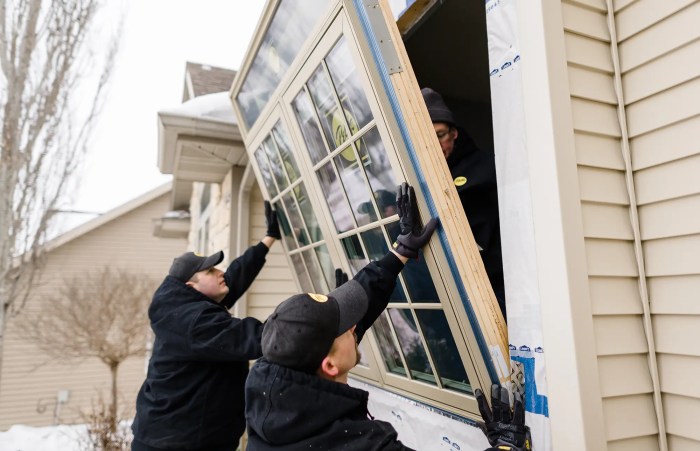
Choosing the right contractor is crucial for a successful siding and window replacement project. A poorly chosen contractor can lead to shoddy workmanship, cost overruns, and lengthy delays. Taking the time to thoroughly research and vet potential contractors will save you headaches and ensure a positive outcome.
Finding a reputable contractor involves a multi-step process that begins with thorough research and extends through contract review. This process is designed to protect your investment and ensure that the final product meets your expectations.
Contractor Research and Selection
Begin your search by asking for recommendations from friends, family, and neighbors who have recently had similar work done. Online resources such as the Better Business Bureau (BBB) and Angie’s List can also provide valuable insights into contractors’ reputations and past performance. Check online reviews carefully, paying attention to both positive and negative feedback. Look for consistent patterns in the reviews – a few isolated negative comments are less concerning than a string of complaints about the same issues. You should also verify that the contractor is properly licensed and insured in your area. This protects you from liability in case of accidents or faulty workmanship.
Obtaining and Comparing Multiple Quotes
It’s essential to obtain at least three quotes from different contractors. Don’t base your decision solely on price; consider the overall value each contractor offers. Compare quotes based on factors such as the materials used, the warranty provided, the projected timeline, and the level of detail in their proposals. A quote that seems too good to be true often is. Be wary of contractors who are unwilling to provide detailed information or who pressure you into making a quick decision.
Questions to Ask Potential Contractors
Before making a decision, it’s vital to ask potential contractors specific questions to assess their qualifications and suitability for your project. These questions will help you gauge their professionalism and ensure they understand your needs.
- How long have you been in business?
- Can you provide references from past clients?
- What is your process for handling unexpected issues or delays?
- What type of warranty do you offer on your work and materials?
- Do you have insurance and workers’ compensation coverage?
- What is your payment schedule?
- Can you provide a detailed breakdown of the costs involved?
- What is your timeline for completing the project?
- Are you familiar with local building codes and permits?
- What is your experience with the specific types of siding and windows I’m interested in?
Contract Review
Once you’ve chosen a contractor, carefully review the contract before signing. Understand all the terms and conditions, including payment schedules, project timelines, and warranty information. Don’t hesitate to ask for clarification on anything you don’t understand. A well-written contract should clearly Artikel the scope of work, payment terms, and dispute resolution processes. Pay close attention to clauses related to change orders, material substitutions, and liability. Consider having a lawyer review the contract if you have any concerns. Ensure that the contract specifies the exact materials to be used and includes details about the warranty provided by the manufacturer. For example, a contract might specify “CertainTeed Landmark shingles, 50-year warranty,” clearly identifying the brand and warranty duration. This avoids ambiguity and potential disputes later on.
Project Timeline and Potential Delays
Source: romebros.com
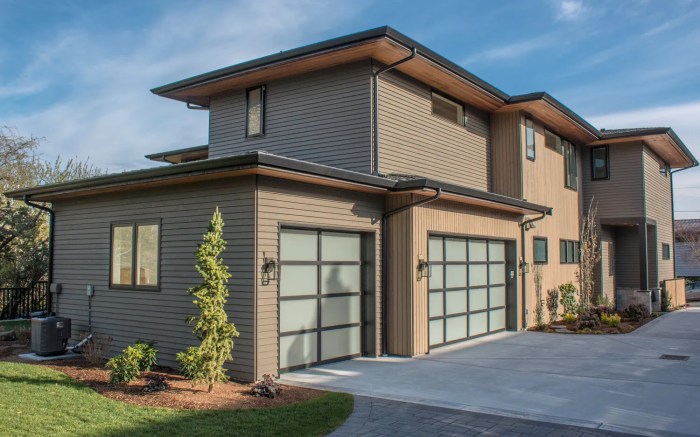
Replacing your siding and windows is a significant undertaking, and understanding the project timeline and potential delays is crucial for managing expectations and avoiding frustration. A realistic timeline allows you to plan your life around the project and to anticipate any disruptions.
A typical siding and window installation project can range from several weeks to several months, depending on the size of your home, the complexity of the work, and the contractor’s workload.
Typical Project Timeline
Imagine a timeline visualized as a horizontal bar chart. The first segment, representing approximately one to two weeks, would be dedicated to initial consultations, measurements, and finalizing the contract. The next, larger segment, lasting perhaps four to six weeks, would encompass material ordering and delivery. This stage can be significantly impacted by lead times for specialized materials or current supply chain issues. The third segment, the longest, lasting perhaps four to eight weeks (or longer for large homes), is the actual installation phase. Finally, a short segment, around one week, is allocated for final inspections and project completion. This is a general guideline; actual durations will vary.
Factors Causing Project Delays
Several factors can unexpectedly extend a project timeline. Unfavorable weather conditions, such as prolonged rain or extreme heat, can significantly impact the installation schedule, as many tasks require dry and moderate temperatures. Delays in material delivery, due to supply chain disruptions or manufacturing backlogs, are also common. Furthermore, unforeseen complications, such as discovering rotted wood under the siding or unexpected structural issues during the removal process, can require additional time for repairs and adjustments. Finally, scheduling conflicts with the contractor’s other projects or unforeseen issues with the contractor’s availability can also lead to delays.
Strategies for Mitigating Delays
Proactive measures can help minimize delays. Choosing a reputable contractor with a proven track record and available references is a crucial first step. Clearly defined contracts specifying start and completion dates, along with detailed payment schedules, can help keep the project on track. Regular communication with the contractor, ideally weekly, ensures that any potential issues are addressed promptly. Furthermore, ensuring that all necessary permits are obtained well in advance can prevent delays at the start of the project. Finally, having a contingency plan in place to address unforeseen complications, such as having a backup material supplier, can significantly reduce the impact of unexpected events.
Importance of Communication
Open and consistent communication between the homeowner and the contractor is paramount. Regular updates on the project’s progress, including any potential delays and their causes, are essential for maintaining transparency and managing expectations. Promptly addressing any concerns or questions that arise helps prevent misunderstandings and potential conflicts. Establishing a clear communication channel, such as regular phone calls or email updates, facilitates a smooth and efficient project flow. This ensures that both parties are informed and involved throughout the entire process, leading to a more successful and less stressful experience.
Wrap-Up
Replacing your siding and windows is a substantial investment, but one that can significantly enhance your home’s curb appeal, energy efficiency, and overall value. By carefully considering material choices, labor costs, and potential savings, you can create a project plan that fits your budget and long-term goals. Remember to get multiple quotes, ask plenty of questions, and choose a reputable contractor to ensure a smooth and successful renovation. Your updated home will be worth the effort!
Top FAQs
What is the average lifespan of vinyl siding?
Vinyl siding typically lasts 20-30 years, but its lifespan can be affected by weather exposure and installation quality.
Can I finance new siding and windows?
Yes, many contractors offer financing options, and you can also explore home improvement loans through banks or credit unions.
How long does the installation process usually take?
The timeline varies based on the size of your home and project complexity, but expect it to take several days to a few weeks.
What should I do if I encounter problems with my contractor?
Thoroughly review your contract and try to resolve issues directly with the contractor. If that fails, consider mediation or legal action.
Are there any tax credits for energy-efficient windows?
Check with your local and federal government for current tax credits and rebates; availability varies by location and program.
Comments are closed.