Most Durable Siding A Homeowners Guide

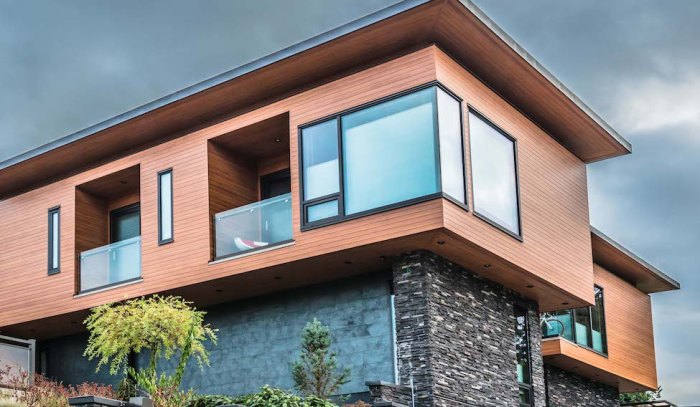
Most durable siding isn’t just about aesthetics; it’s about long-term value and peace of mind. Choosing the right siding material significantly impacts your home’s lifespan, maintenance costs, and overall curb appeal. This guide dives into the world of durable siding, exploring various materials, installation, maintenance, and the long-term financial implications of your choice. We’ll help you navigate the options and make an informed decision that best suits your home and budget.
From the manufacturing process of fiber cement to the cost-effectiveness of vinyl, we’ll cover the pros and cons of different siding materials, factoring in climate considerations and the impact of proper installation and maintenance. We’ll also show you how to assess the long-term value and return on investment (ROI) of your siding selection. Ultimately, this guide empowers you to choose the most durable siding that perfectly complements your home and lifestyle.
Types of Durable Siding Materials
Source: sidinginvancouver.com
Choosing the right siding for your home is a significant investment, impacting both its aesthetic appeal and longevity. The durability of siding depends heavily on the material used, its manufacturing process, and the climate it endures. This section explores several popular siding options, comparing their strengths and weaknesses.
Fiber Cement Siding Manufacturing
Fiber cement siding is a composite material made from a mixture of cement, cellulose fibers (often wood pulp), and silica sand. The manufacturing process involves mixing these ingredients with water to create a slurry. This slurry is then formed into the desired shapes and sizes using molds and high-pressure presses. After pressing, the siding undergoes a curing process, often involving steam or heat, to harden the cement and strengthen the composite. Finally, the cured siding is cut to size, sanded, and primed or pre-finished with a protective coating to enhance its durability and aesthetic appeal. The entire process results in a strong, relatively low-maintenance siding option.
Vinyl, Wood, and Aluminum Siding Lifespan and Maintenance
Vinyl siding boasts a long lifespan, typically lasting 20-40 years with minimal maintenance. Its low maintenance requirements stem from its resistance to rot, insect infestation, and moisture damage. Wood siding, while aesthetically pleasing, requires significantly more upkeep. Its lifespan can range from 20-50 years depending on the wood type and the application of protective treatments, but it’s susceptible to rot, insect damage, and needs regular painting or staining. Aluminum siding also offers a long lifespan, often lasting 30-50 years. However, it can be prone to denting and scratches, and may require repainting over time to maintain its appearance.
Engineered Wood vs. Natural Wood Siding
Engineered wood siding, often made from composite materials, offers several advantages over natural wood. It’s generally more resistant to moisture damage, rot, and insect infestation than natural wood. Engineered wood also requires less maintenance; it usually doesn’t need regular painting or staining. However, natural wood siding provides a more authentic and visually appealing look. While more maintenance-intensive, natural wood siding can be a good investment if properly cared for, potentially lasting for decades. The choice often depends on balancing aesthetic preferences with maintenance requirements and budget considerations.
Climate Impact on Siding Durability
Different siding materials react differently to various climates. The table below summarizes the relative durability of several siding types across different climatic conditions.
| Siding Material | Humid Climate | Arid Climate | Cold Climate |
|---|---|---|---|
| Vinyl | Good; requires proper ventilation | Good; resists UV damage relatively well | Excellent; resists expansion and contraction |
| Wood | Poor; susceptible to rot and insect damage | Fair; requires protective treatments against sun and dryness | Fair; susceptible to cracking and warping |
| Aluminum | Good; resists moisture | Good; resists corrosion | Excellent; resists extreme temperatures |
| Fiber Cement | Good; resists moisture | Excellent; resists UV damage and weathering | Excellent; resists expansion and contraction |
Factors Affecting Siding Durability
Choosing the right siding material is only half the battle. The longevity of your siding depends heavily on a combination of factors, from the initial installation to ongoing maintenance. Understanding these factors will help you make informed decisions and ensure your siding investment lasts for years to come. This section will explore the key elements impacting siding durability.
Installation Quality
Proper installation is crucial for long-lasting siding. Improperly installed siding is more susceptible to damage from moisture, wind, and other environmental factors. For example, gaps in the installation can allow water to penetrate behind the siding, leading to rot, mold, and structural damage. Similarly, improperly fastened siding can loosen over time, leading to damage and aesthetic issues. A skilled installer will ensure that all siding pieces are correctly aligned, securely fastened, and properly sealed to prevent water infiltration. Paying attention to detail during installation significantly increases the lifespan of your siding.
Ventilation
Adequate ventilation is essential to prevent moisture buildup behind the siding. Moisture trapped behind the siding can lead to rot, mold, and the growth of other damaging organisms. Proper ventilation allows for the circulation of air, removing excess moisture and preventing these problems. This often involves leaving appropriate gaps between the siding and the underlying wall sheathing, and ensuring sufficient attic ventilation to prevent moisture from migrating into the wall cavity. For instance, houses with poor attic ventilation are more prone to moisture problems that directly impact siding durability.
UV Degradation and Siding Finishes
Exposure to ultraviolet (UV) radiation from the sun can cause siding to fade and degrade over time. Different siding finishes offer varying levels of UV resistance. For example, siding with a high-quality paint or stain finish will typically offer better protection against UV degradation than unfinished siding. Darker colors tend to absorb more UV radiation than lighter colors, leading to faster fading. Choosing a siding material and finish with good UV resistance is key to maintaining its appearance and structural integrity. Consider the climate and the amount of sun exposure your house receives when selecting a siding finish.
Siding Maintenance Best Practices, Most durable siding
Regular maintenance significantly extends the lifespan of your siding. Here are some best practices to follow:
- Regular Cleaning: Clean your siding at least once or twice a year to remove dirt, debris, and mildew. Use a soft brush and a mild detergent solution. Avoid using high-pressure washers, as they can damage the siding.
- Prompt Repair of Damage: Repair any damaged siding immediately to prevent further damage. Small cracks or holes can allow water to penetrate, leading to more extensive damage later.
- Caulk and Sealant Inspection: Regularly inspect caulking and sealant around windows, doors, and other openings. Replace any damaged or cracked caulking or sealant to prevent water infiltration.
- Gutter and Downspout Maintenance: Ensure gutters and downspouts are clean and functioning properly to divert water away from the foundation and siding. Clogged gutters can lead to water damage.
- Trim and Landscaping Management: Keep trees and shrubs trimmed away from the siding to prevent damage and moisture buildup. Proper landscaping helps maintain good air circulation around the house.
Cost and Value of Durable Siding

Source: storables.com
Choosing durable siding is a significant investment, but understanding the initial costs, long-term savings, and return on investment (ROI) can help homeowners make informed decisions. This section will break down the financial aspects of choosing durable siding materials, comparing costs and highlighting the long-term value proposition.
Initial Costs of Durable Siding Materials
The initial cost of siding varies greatly depending on the material chosen. High-end options like fiber cement or brick will be significantly more expensive than vinyl. Installation costs also contribute substantially to the overall expense. The following table provides a general estimate of costs; actual prices can vary based on location, labor rates, and project specifics. These figures are averages and may not reflect all regional variations.
| Siding Material | Cost per Square Foot (USD) | Installation Cost per Square Foot (USD) | Estimated Lifespan (Years) |
|---|---|---|---|
| Vinyl | $1-$4 | $2-$5 | 20-30 |
| Aluminum | $2-$6 | $3-$7 | 30-50 |
| Fiber Cement | $3-$8 | $6-$10 | 50-80 |
| Brick | $10-$20+ | $15-$30+ | 100+ |
| Wood (Cedar, etc.) | $4-$10+ | $5-$12+ | 20-40 (with proper maintenance) |
Long-Term Cost Savings of Durable Siding
Investing in durable siding translates to significant long-term savings. Materials with longer lifespans reduce the need for frequent replacements, saving on labor and material costs over the years. For instance, replacing vinyl siding every 20 years will be considerably more expensive than the initial higher cost of fiber cement siding that can last 50 years or more. This cost avoidance becomes increasingly apparent over decades. Additionally, durable siding often requires less maintenance, further reducing long-term expenses. A home with well-maintained fiber cement siding, for example, might only need occasional cleaning, unlike wood siding that may require regular painting or staining.
Return on Investment (ROI) of Durable Siding
The ROI of durable siding is substantial. While the initial investment might be higher than less durable options, the long-term savings and increased property value easily offset the initial cost. Consider a scenario where a homeowner spends $10,000 more on fiber cement siding compared to vinyl. Over 30 years, the cost of replacing the vinyl siding twice might exceed that $10,000 difference, while the fiber cement siding remains intact. Moreover, the increased curb appeal and perceived longevity of a home with high-quality siding often results in a higher resale value.
Durable Siding and Increased Property Value
Durable siding significantly enhances a home’s curb appeal, instantly making it more attractive to potential buyers. A well-maintained home with attractive siding projects an image of quality and care, increasing its perceived value. In competitive real estate markets, homes with upgraded features, such as durable siding, often sell faster and at higher prices than comparable homes with less appealing or less durable siding. For example, a home with newly installed fiber cement siding might command a higher sale price than a similar home with aging vinyl siding, even if other features are identical. This increased value directly translates to a higher return on the initial investment.
Installation and Maintenance of Durable Siding
Proper installation and regular maintenance are crucial for maximizing the lifespan and aesthetic appeal of your durable siding. Neglecting either can lead to premature damage, costly repairs, and a diminished curb appeal. This section details best practices for both installation and upkeep, ensuring your siding investment remains valuable for years to come.
Fiber Cement Siding Installation Steps
Professional installation of fiber cement siding involves several key steps to ensure a long-lasting, watertight, and aesthetically pleasing finish. The process begins with careful preparation and precise measurements, followed by the installation of the siding itself, and finally, finishing touches that complete the project. Improper installation can lead to issues such as water penetration, cracking, and premature deterioration.
- Preparation: This includes removing old siding, inspecting and repairing underlying sheathing, and installing house wrap for moisture protection. Proper flashing around windows and doors is also essential at this stage.
- Framing: Installing furring strips to create a level surface for the siding is a critical step. This ensures the siding is installed evenly and prevents problems with alignment and gaps.
- Siding Installation: Fiber cement siding panels are typically installed horizontally, overlapping each other and fastening them securely to the framing with nails or screws. Proper spacing and alignment are crucial to prevent issues with expansion and contraction.
- Caulking and Finishing: All seams and gaps between siding panels and around windows and doors must be carefully caulked to prevent water penetration. This step is vital for long-term protection against moisture damage.
- Painting or Staining (if applicable): Once the siding is installed and caulked, it’s often primed and then painted or stained for protection and aesthetic appeal. Using high-quality exterior paint designed for fiber cement is essential.
Siding Material Cleaning and Maintenance
Different siding materials require different cleaning and maintenance approaches. Regular cleaning removes dirt, grime, and mildew, which can damage the siding over time. The frequency of cleaning depends on factors such as climate and environmental conditions.
- Vinyl Siding: Generally requires only occasional washing with a garden hose and mild detergent. Avoid harsh chemicals or abrasive cleaners.
- Fiber Cement Siding: Can be cleaned similarly to vinyl siding, but may require more frequent cleaning in areas with high humidity or mildew growth. Pressure washing is possible but should be done carefully to avoid damage.
- Wood Siding: Needs more frequent maintenance, including regular cleaning, staining, or painting to protect against rot and insect infestation. Proper sealing is crucial.
- Metal Siding: Usually requires only occasional washing with a garden hose and mild detergent. Avoid abrasive cleaners that could scratch the surface.
Common Siding Installation Problems and Prevention
Several common problems can arise during siding installation, often stemming from inadequate preparation or improper techniques. Addressing these issues proactively prevents costly repairs and ensures the longevity of your siding.
- Improper flashing: Leads to water penetration behind the siding, causing rot and mold. Ensure proper flashing installation around windows, doors, and other penetrations.
- Uneven siding installation: Creates an unsightly appearance and can lead to cracking and gaps. Use a level and ensure proper spacing between panels.
- Insufficient caulking: Allows water to penetrate seams and joints, causing damage. Use a high-quality exterior-grade caulk and apply it generously.
- Improper nail or screw placement: Can lead to damage to the siding and compromise its structural integrity. Follow manufacturer’s recommendations for fastener placement.
Recommended Tools and Materials for Siding Maintenance
Having the right tools and materials on hand makes siding maintenance easier and more efficient. Regular upkeep helps prevent major problems and extends the life of your siding.
- Garden hose with spray nozzle
- Mild detergent
- Soft-bristled brush or sponge
- Pressure washer (optional, use with caution)
- Caulk (exterior-grade)
- Caulk gun
- Ladder (appropriate height and stability)
- Safety glasses and gloves
- Exterior paint or stain (for wood siding)
Visual Examples of Durable Siding
Choosing the right siding isn’t just about durability; it’s about the overall look and feel of your home. The visual impact of your siding significantly contributes to your home’s curb appeal and value. Let’s explore some examples to illustrate the diverse aesthetic options available.
Cedar Wood Siding
Imagine a charming cottage nestled amongst trees, its walls clad in rich, reddish-brown cedar wood siding. The texture is wonderfully varied, with the natural grain of the wood visible in each plank. Some planks show subtle knots, adding to the rustic charm. The color is a warm, earthy tone, deepening and softening over time as the wood weathers. The overall aesthetic is one of natural beauty, warmth, and timeless elegance. The slightly rough texture contrasts beautifully with crisp white trim, creating a visually appealing balance. This type of siding evokes a feeling of cozy comfort and connection to nature.
Vinyl Siding After Several Years
Now, picture a suburban home, its siding a clean, light gray vinyl. After ten years of sun, rain, and wind, the color remains remarkably consistent, although a slight fading might be noticeable in areas with prolonged sun exposure. The surface texture shows minimal wear, though closer inspection might reveal some minor scratches or scuffs. The overall appearance is still neat and tidy, requiring little maintenance. While lacking the natural texture of wood, the vinyl’s consistent appearance maintains a clean and modern aesthetic, suitable for a variety of architectural styles. This demonstrates vinyl’s ability to withstand the elements while maintaining a relatively consistent appearance over time.
Painted Versus Stained Wood Siding
Let’s compare two houses side-by-side. One boasts freshly painted white wood siding, its surface smooth and uniformly bright. The other showcases stained cedar siding, its color a deep, rich brown, allowing the natural wood grain to show through. The painted siding offers a crisp, clean look, easily maintained with a fresh coat of paint every few years. However, the paint will need periodic repainting to maintain its appearance and protect the wood underneath. The stained siding, while requiring less frequent maintenance, will gradually weather and gray over time, developing a unique patina that some homeowners find appealing. Both offer distinct aesthetic options, with painted siding providing a more consistent and easily updated look, while stained siding showcases the natural beauty of the wood with a more rustic and evolving appearance.
Fiber Cement Siding
Consider a modern farmhouse with sleek, gray fiber cement siding. The texture is smooth and consistent, resembling a finely plastered wall, but with a slightly more pronounced grain. The color is even and uniform, resisting fading and discoloration far better than painted wood. Compared to vinyl, fiber cement offers a more substantial and sophisticated appearance, with a heavier, more solid feel. Unlike the natural variations in wood, the fiber cement provides a clean, modern aesthetic, easily customizable with a wide range of colors and finishes. Its durability and low-maintenance characteristics make it a visually appealing and practical choice for long-term use.
Epilogue: Most Durable Siding
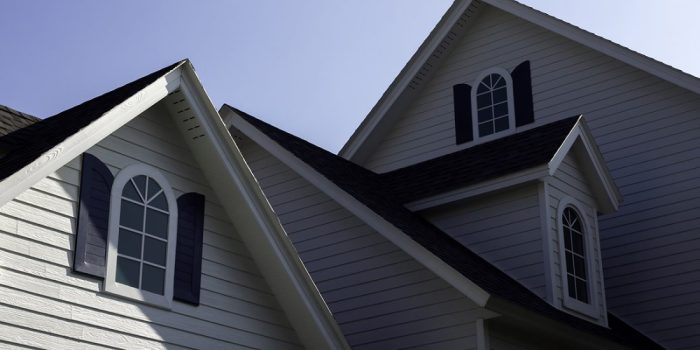
Source: majesticexteriors.com
Selecting the most durable siding for your home is a crucial decision affecting both its appearance and longevity. By carefully considering factors like material properties, climate conditions, installation quality, and long-term maintenance, you can significantly enhance your home’s value and curb appeal. Remember, investing in durable siding is an investment in your home’s future, offering both aesthetic and financial benefits for years to come. So, weigh the options, consider your needs, and choose wisely!
Key Questions Answered
What’s the average lifespan of different siding materials?
Lifespans vary greatly. Vinyl siding can last 20-40 years, wood siding 20-50 years (depending on the type and maintenance), fiber cement 50+ years, and aluminum 30-50 years. Proper maintenance significantly extends these lifespans.
How often should I clean my siding?
At least once a year, preferably in spring or fall. Use a soft brush, water, and a mild detergent. For tougher stains, consider a pressure washer but use low pressure to avoid damage.
Can I install siding myself?
While DIY is possible for some types, professional installation is highly recommended, especially for complex projects or materials like fiber cement. Improper installation can void warranties and lead to future problems.
What are the signs of siding damage that require immediate attention?
Look for cracks, holes, loose or rotting boards, significant discoloration, warping, or bulging. Address these issues promptly to prevent further damage and water intrusion.
How does climate affect siding choice?
Humid climates favor materials resistant to moisture damage (like fiber cement). Arid climates require materials resistant to UV degradation. Cold climates need materials that can withstand freeze-thaw cycles.
Comments are closed.