Wood Siding Repair Cost A Practical Guide


Wood siding repair cost can vary wildly, depending on factors like the type of wood, the extent of the damage, and whether you DIY or hire a pro. This guide breaks down the costs involved, helping you make informed decisions about repairing or replacing your siding, saving you time and money in the process. We’ll explore everything from material costs to labor, DIY pitfalls to professional hiring tips, and preventative maintenance strategies to keep your siding looking great for years to come.
Understanding wood siding repair costs is crucial for budgeting your home improvement project. From minor repairs to extensive replacements, we’ll cover the spectrum of possibilities, providing realistic cost estimates and helpful advice to navigate the complexities of this home maintenance task. We’ll also delve into the differences between repairing various wood types, like cedar, redwood, and pine, and offer insights into when repair is more cost-effective than replacement.
Factors Influencing Wood Siding Repair Costs
Source: fixr.com
Repairing wood siding can range significantly in price, depending on several key factors. Understanding these factors will help you budget effectively and avoid unexpected expenses. This section details the major cost drivers involved in wood siding repair projects.
Siding Material and Repair Cost
The type of wood used for your siding directly impacts repair costs. Hardwoods like cedar and redwood are more durable but generally more expensive to replace or repair than softer woods like pine or fir. Cedar and redwood often require specialized tools and techniques, potentially increasing labor costs. The inherent density and resistance to rot and insect damage in hardwoods might mean fewer repairs over time, but individual board replacement will cost more upfront. Conversely, softer woods may require more frequent repairs due to their susceptibility to damage, leading to potentially higher overall costs in the long run.
Extent of Damage and Repair Cost
The severity of the damage is a crucial determinant of repair costs. Minor repairs, such as patching small holes or replacing a few damaged boards, will be considerably less expensive than extensive repairs involving large sections of siding or structural damage. For instance, replacing a single damaged board is a much simpler and cheaper undertaking than repairing rot that extends beneath the siding, requiring the removal and replacement of substantial portions of the wall sheathing. The greater the extent of damage, the more time-consuming and costly the repair will be.
Repair Methods and Associated Costs
Several methods exist for repairing wood siding, each with a different price tag. Simple repairs like patching small holes or replacing individual boards are relatively inexpensive. These might cost between $25 and $100 per board, depending on material and labor costs. More involved repairs, such as replacing sections of siding or addressing water damage, can cost significantly more. For instance, replacing a large section of rotted siding might cost anywhere from $500 to $2000 or more, depending on the area and the complexity of the repair. Full siding replacement, naturally, is the most expensive option.
Labor Costs versus Material Costs
Wood siding repair costs typically consist of two major components: labor and materials. Labor costs represent the time and expertise required to complete the repairs, which can vary greatly depending on the complexity of the project and the contractor’s hourly rate. Material costs include the price of the replacement wood, fasteners, primers, paints, and sealants. In many cases, labor costs can represent a larger portion of the overall expense, particularly for complex repairs. A simple repair might be heavily material-cost-driven, while a large-scale project will likely be more labor-intensive.
Cost Comparison of Different Wood Siding Types
| Siding Type | Average Repair Cost per Square Foot | Factors Affecting Cost | Example Repair Scenarios |
|---|---|---|---|
| Cedar | $15-$30 | Premium material cost, potential for specialized tools | Replacing a single rotted board: $50-$100; Repairing significant water damage: $1000-$2500+ |
| Redwood | $12-$25 | Similar to Cedar, slightly less expensive material | Patching small holes: $25-$75; Replacing a section of siding: $500-$1500 |
| Pine | $8-$15 | Lower material cost, potentially more frequent repairs | Replacing several boards due to insect damage: $200-$500; Full siding replacement: $3000-$8000+ |
Repair vs. Replacement: Wood Siding Repair Cost
Source: familyhandyman.com
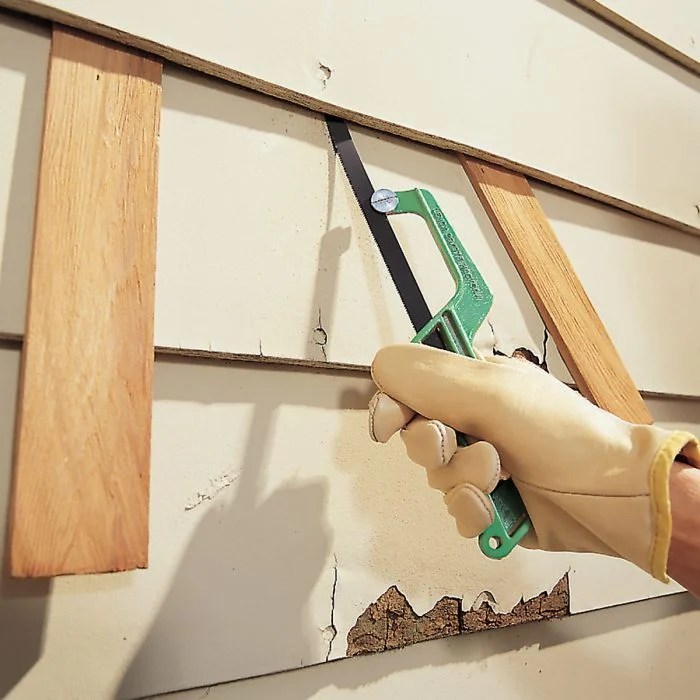
Repairing or replacing damaged wood siding is a significant decision impacting both the aesthetics and value of your home. The choice depends heavily on the extent of the damage, the age of the siding, your budget, and your long-term plans for the property. Weighing the costs and benefits of each option is crucial before making a commitment.
Repairing damaged wood siding is generally less expensive than complete replacement, especially for minor issues like small holes, cracks, or loose boards. However, extensive damage or widespread deterioration might make replacement the more cost-effective solution in the long run, preventing future repair costs and enhancing the home’s overall appearance.
Cost Comparison: Repair vs. Replacement
Repairing individual damaged boards is typically far cheaper than replacing entire sections or the whole siding system. A single board repair might cost between $50 and $200, depending on the complexity of the repair and labor costs. However, widespread rot or insect damage could necessitate replacing large sections, significantly increasing the repair bill. In contrast, complete siding replacement costs significantly more, typically ranging from $8,000 to $20,000 or more, depending on the house size, siding material, and labor costs. For example, replacing the siding on a 2,000 square foot house could cost anywhere between $10,000 and $20,000.
Scenarios Favoring Repair or Replacement
Repair is a sensible option for isolated instances of damage, such as minor scratches, small holes from nails, or loose boards. If the damage is limited to a few boards and the underlying structure is sound, repair is the more economical choice. However, extensive damage caused by water damage, insect infestation, or severe weathering often necessitates replacement. For example, if significant portions of the siding are rotting due to moisture intrusion, the cost of repair will quickly exceed the cost of replacing the affected areas or even the entire siding system. Similarly, if the house has older wood siding with significant paint damage and underlying structural problems, replacement will provide a more durable and aesthetically pleasing solution.
Factors Influencing the Repair/Replacement Decision
Several factors play a role in the decision-making process. The age of the siding is important: older siding may require more extensive repairs, potentially making replacement more cost-effective. The severity and extent of the damage are also key considerations. Minor damage can often be repaired affordably, while significant damage necessitates a more extensive and expensive solution. Finally, the homeowner’s budget and long-term plans for the house significantly influence the decision. A homeowner planning to sell their house soon might opt for replacement to improve curb appeal, while someone planning to stay long-term might prioritize cost-effectiveness and choose repair for less severe issues.
Examples of Partial vs. Full Siding Replacement
Partial siding replacement is suitable for situations like localized rot due to a leaking gutter or damage from a fallen tree branch. Only the affected areas would need replacing, saving time and money. Full siding replacement is usually necessary when dealing with widespread damage like pervasive rot, extensive insect infestation, or aging siding that is no longer performing its protective function. For example, a house with siding showing significant signs of age, cracking, and peeling paint might benefit from a complete replacement to improve energy efficiency and curb appeal.
Advantages and Disadvantages of Repair vs. Replacement
The decision between repair and replacement involves weighing several factors. Here’s a summary:
- Repair: Advantages – Lower initial cost, less disruptive, environmentally friendly (less waste).
- Repair: Disadvantages – May not address underlying issues, shorter lifespan, potential for future repairs.
- Replacement: Advantages – Enhanced curb appeal, improved energy efficiency, longer lifespan, addresses underlying problems.
- Replacement: Disadvantages – High initial cost, more disruptive, generates more waste.
DIY vs. Professional Wood Siding Repair
Source: prosuperiorconstruction.com
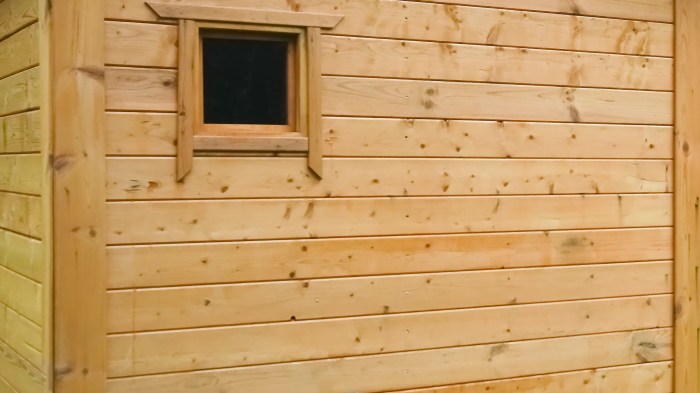
Choosing between DIY wood siding repair and hiring a professional significantly impacts the overall cost. While DIY can seem cheaper initially, unforeseen issues and mistakes can quickly escalate expenses. Professional repair, though more expensive upfront, often offers long-term cost savings and peace of mind. This section will analyze the cost differences and associated risks of each approach.
Cost Comparison: DIY vs. Professional
Professional wood siding repair typically costs between $30 to $80 per square foot, depending on the extent of damage, location, and contractor’s rates. This includes labor, materials, and disposal of old siding. DIY repairs, on the other hand, can range from a few hundred dollars for minor fixes to several thousand for extensive projects. The cost primarily depends on the materials needed. For instance, a small area needing just a few replacement boards might only cost a couple of hundred dollars in materials, while a larger project requiring significant amounts of lumber, paint, and sealant could easily exceed $1000.
DIY Repair Risks and Benefits
DIY wood siding repair offers the potential for significant cost savings if done correctly. However, it carries several risks. Inexperience can lead to improper repairs, causing further damage and increasing long-term costs. Using incorrect techniques can void warranties on the siding. Furthermore, working at heights can be dangerous without proper safety equipment and training. Benefits include the satisfaction of completing the project yourself and a potential for significant cost savings if the repair is minor and straightforward.
Necessary Tools and Materials for DIY Repair
Successfully completing a DIY wood siding repair requires specific tools and materials. These can vary depending on the type and extent of damage. However, some essential items include: a pry bar, hammer, saw (circular saw or hand saw), measuring tape, level, safety glasses, work gloves, replacement siding boards (matching the existing siding is crucial), nails or screws, wood filler, caulk, paint or stain (if needed), and a putty knife. The cost of these tools, assuming you don’t already own them, can range from $100 to $300. Materials, depending on the size of the repair, could cost anywhere from $50 to $500 or more.
Common DIY Repair Mistakes and Associated Costs
Inadequate preparation is a frequent mistake. Failing to properly assess the extent of the damage before starting the repair can lead to purchasing insufficient materials or using inappropriate techniques, resulting in additional costs for materials and potentially further labor to correct the mistake. Another common mistake is using the wrong type of nails or screws, leading to early failure and the need for further repairs. Incorrectly applying caulk or sealant can also lead to water damage and rotting, incurring significant repair costs down the line. For example, using inappropriate caulking around a window could lead to water seeping in, causing mold growth and requiring the replacement of rotted wood and possibly drywall, which could cost hundreds or even thousands of dollars to fix.
Steps in a Typical DIY Wood Siding Repair Project
Before beginning any DIY wood siding repair, it’s crucial to plan the project carefully. This includes gathering all necessary tools and materials, assessing the damage, and creating a detailed plan of action. Here’s a step-by-step Artikel:
- Assess the damage and determine the extent of the repair needed.
- Gather all necessary tools and materials.
- Safely remove the damaged siding board(s).
- Prepare the area for the new siding (repair or replace underlying framing if necessary).
- Install the new siding board(s), ensuring proper alignment and fastening.
- Apply wood filler to any gaps or holes.
- Caulk around windows and other openings.
- Prime and paint or stain the repaired area to match the existing siding.
- Clean up the work area and dispose of waste materials properly.
Finding and Hiring a Contractor
Finding the right contractor for your wood siding repair can feel overwhelming, but a systematic approach will help you secure a reliable professional who delivers quality work within budget. This section Artikels strategies for finding reputable contractors, obtaining competitive quotes, asking the right questions, and creating a solid contract.
Finding Reputable Contractors
Several avenues exist for finding qualified contractors. Online directories like Angie’s List, HomeAdvisor, and Yelp offer reviews and ratings from past clients. Checking with your local Better Business Bureau can also reveal any complaints or unresolved issues. Don’t underestimate the power of word-of-mouth; ask friends, family, and neighbors for recommendations based on their personal experiences. Finally, checking licensing and insurance information with your state’s contractor licensing board is crucial for verifying legitimacy and ensuring protection in case of accidents or disputes.
Obtaining Multiple Quotes, Wood siding repair cost
Getting at least three quotes from different contractors is essential. This allows for comparison of pricing, proposed solutions, and timelines. Ensure each contractor is bidding on the same scope of work to enable an accurate comparison. Remember, the lowest bid isn’t always the best; consider the contractor’s experience, reputation, and the detailed breakdown of costs.
Key Questions to Ask Potential Contractors
Before committing to a contractor, ask specific questions to clarify their process and ensure transparency. Inquire about their experience with similar projects, their licensing and insurance coverage, their proposed timeline, the specific materials they intend to use (including brands and warranties), their payment schedule, and their process for handling unforeseen issues or changes to the project. Request a detailed breakdown of all costs, including labor, materials, permits, and disposal fees. Ask about their warranty or guarantee on their work.
Essential Information for a Contractor Agreement
A well-defined contract protects both you and the contractor. The agreement should clearly state the scope of work, including a detailed description of the repairs, the materials to be used, the payment schedule (including any down payments and final payment terms), the start and completion dates, and the warranty or guarantee on the work. It should also include contact information for both parties, dispute resolution mechanisms, and a clear statement of the total cost. Consider including clauses outlining responsibilities for permit acquisition and waste disposal.
| Contractor Qualification | Factors to Consider | Red Flags to Watch Out For | Tips for Negotiating Prices |
|---|---|---|---|
| Years of experience, licenses, insurance, references, and online reviews. | Pricing, project timeline, materials used, warranty offered, communication style, and overall professionalism. | Unlicensed or uninsured contractors, vague quotes, high-pressure sales tactics, unwillingness to provide references, and significant discrepancies between quotes. | Negotiate payment terms, explore options for using different materials, and compare prices from multiple contractors before making a decision. Don’t be afraid to walk away if you’re uncomfortable. |
Concluding Remarks
Repairing or replacing wood siding is a significant investment, but with careful planning and informed decision-making, you can ensure a successful and cost-effective outcome. Remember to weigh the pros and cons of DIY versus professional work, get multiple quotes from reputable contractors, and prioritize preventative maintenance to extend the life of your siding. By understanding the factors that influence cost and following the advice Artikeld here, you can confidently tackle your wood siding project with confidence and save money in the long run.
Question & Answer Hub
What’s the average lifespan of wood siding?
The lifespan of wood siding varies greatly depending on the type of wood, climate, and maintenance. Generally, you can expect 20-30 years, but with proper care, it can last much longer.
Can I get insurance to cover wood siding repairs?
Possibly. Check your homeowner’s insurance policy for coverage related to storm damage or other unforeseen events. However, routine maintenance and wear-and-tear are usually not covered.
What are some signs I need wood siding repair?
Look for cracks, rot, warping, insect damage, loose or missing siding, paint peeling, and discoloration. Addressing these issues promptly prevents further damage and saves money in the long run.
How long does a wood siding repair project typically take?
This depends heavily on the size and complexity of the job. Small repairs might take a day or two, while larger projects could take several weeks. A professional contractor should provide a realistic timeline.
Are there any tax benefits associated with wood siding repairs?
Potentially. Tax laws vary by location, but some repairs may be deductible if they are considered necessary for maintaining the value of your home. Consult a tax professional for specific guidance.
Comments are closed.