Replacing Wood Siding With Hardie Board

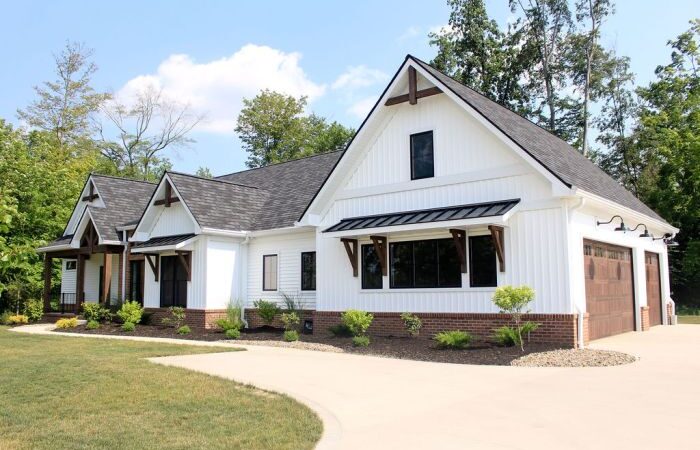
Replacing wood siding with Hardie board is a popular home improvement project offering numerous benefits. This upgrade promises increased durability, lower maintenance, and potentially enhanced curb appeal. We’ll explore the costs, installation process, aesthetic considerations, and long-term implications of making this switch, helping you decide if it’s the right choice for your home.
From comparing initial investment costs and long-term maintenance to understanding the installation process and environmental impact, we’ll cover everything you need to know. We’ll also look at how this upgrade can affect your home’s value and explore the necessary permits and regulations.
Cost Comparison
Choosing between wood and Hardie board siding involves a significant financial decision. While initial costs might seem lower for wood, the long-term picture reveals a more complex cost-benefit analysis. Understanding the upfront investment, ongoing maintenance needs, and overall lifespan of each material is crucial for making an informed choice.
Material and Labor Costs
The price difference between wood and Hardie board siding is substantial. Wood siding, depending on the type and quality, typically ranges from $3 to $15 per square foot for materials. Hardie board, a fiber cement product, generally costs between $8 and $20 per square foot. This higher initial cost reflects Hardie board’s superior durability and lower maintenance requirements. Labor costs for installation are similarly variable, influenced by factors like the complexity of the project, regional labor rates, and the installer’s experience. Expect to pay anywhere from $3 to $8 per square foot for labor for both wood and Hardie board installation, with the complexity of the project often dictating the higher end of the range. For instance, a home with intricate detailing will likely cost more to side than a simple, rectangular structure.
Long-Term Cost Savings and Expenses
Wood siding, while aesthetically pleasing, requires significant ongoing maintenance. It’s susceptible to rot, insect infestation, and damage from weather. Regular painting or staining (every 3-5 years) is necessary to protect the wood and maintain its appearance, adding to the long-term costs. Repairs, such as replacing damaged boards, can be frequent and expensive. Conversely, Hardie board siding is far more resistant to these issues. Its durability translates to lower maintenance costs over the siding’s lifespan. While it may require occasional cleaning or repainting (every 10-15 years), the frequency and cost of repairs are significantly reduced. The extended lifespan of Hardie board (50+ years) compared to wood (20-30 years) further contributes to long-term cost savings. Consider a scenario where a 1500 square foot house needs siding replaced after 20 years. The total cost of wood replacement over 50 years could easily exceed the initial higher cost of Hardie board, especially considering labor and disposal costs associated with wood replacement.
Cost Comparison Table
The following table provides a simplified comparison of the costs associated with wood and Hardie board siding for a hypothetical 1500 square foot home. These figures are estimates and may vary based on location, material choices, and labor rates. Note that maintenance costs are projected over 10 years.
| Material Cost | Labor Cost | Maintenance Cost (10 years) | Total Cost | |
|---|---|---|---|---|
| Wood Siding (Mid-Range) | $6,750 | $4,500 | $4,500 | $15,750 |
| Hardie Board Siding (Mid-Range) | $12,000 | $4,500 | $1,500 | $18,000 |
Installation Process

Source: fideiarch.com
Installing Hardie board siding is a significant undertaking, but with careful planning and execution, it’s a manageable DIY project for experienced homeowners or a straightforward job for professional contractors. The process involves several key steps, from preparation to finishing, and understanding each stage is crucial for a successful outcome. This section details the typical installation process, compares it to wood siding installation, and lists the necessary tools and materials.
The installation process generally begins with proper preparation of the existing wall structure. This involves removing old siding, inspecting and repairing any underlying damage to sheathing, and ensuring a level and plumb surface. Once the substrate is ready, the installation of the Hardie board can begin. This typically involves fastening the siding to the wall using nails or screws, ensuring proper spacing and alignment. Following this, the installation of trim pieces, such as J-channels, corner boards, and window/door trim, completes the project.
Hardie Board Siding Installation Steps
A typical Hardie board siding installation follows these steps:
- Preparation: Remove existing siding, inspect and repair sheathing, ensure a level surface. This is crucial for a neat and long-lasting installation. Any damage to the underlying structure must be addressed before proceeding.
- Water-resistant barrier: Install a water-resistant barrier, such as house wrap, to protect the building from moisture. This step is vital for preventing water damage and maintaining the integrity of the building envelope.
- Furring strips (if needed): Install furring strips to create an air gap between the house wrap and the siding, promoting ventilation and reducing moisture buildup. This is especially important in climates with high humidity.
- Start with starter strip: Begin installation at the bottom of the wall, securing the starter strip. This provides a level and consistent base for the rest of the siding.
- Install siding panels: Attach the Hardie board panels, overlapping each course according to manufacturer instructions. Ensure proper spacing and alignment to create a clean, professional look.
- Install trim and accessories: Install J-channels, corner boards, window and door trim, and other necessary accessories. These pieces add a finished look and protect exposed edges.
- Caulk and seal: Caulk all seams and joints to prevent water penetration. This step is essential for preventing leaks and ensuring the long-term durability of the siding.
- Final inspection: Conduct a thorough inspection to ensure proper installation and address any imperfections.
Comparison of Hardie Board and Wood Siding Installation Difficulty
Installing Hardie board is generally considered more challenging than installing wood siding, primarily due to the material’s weight and rigidity. Wood siding, particularly if using thinner boards, is often easier to manipulate and cut. However, Hardie board’s durability and resistance to damage make the extra effort worthwhile for many homeowners. Proper cutting techniques are critical with Hardie board to avoid chipping or cracking. Pre-drilling nail holes is strongly recommended.
Necessary Tools and Materials
Having the right tools and materials is essential for a smooth and efficient installation. Careful planning and acquiring these items beforehand will minimize delays and ensure a professional outcome.
- Measuring tape
- Level
- Circular saw with a fine-toothed blade (specifically designed for fiber cement)
- Safety glasses and hearing protection
- Nail gun (capable of handling appropriate nails for Hardie board)
- Hammer (for manual nailing if not using a nail gun)
- Caulk gun
- Putty knife
- Ladder
- Safety harness (for working at heights)
- Hardie board siding panels
- Trim pieces (J-channels, corner boards, etc.)
- Nails or screws (appropriate size and type for Hardie board)
- Caulk
- House wrap
- Furring strips (if needed)
Durability and Maintenance: Replacing Wood Siding With Hardie Board
Source: storables.com
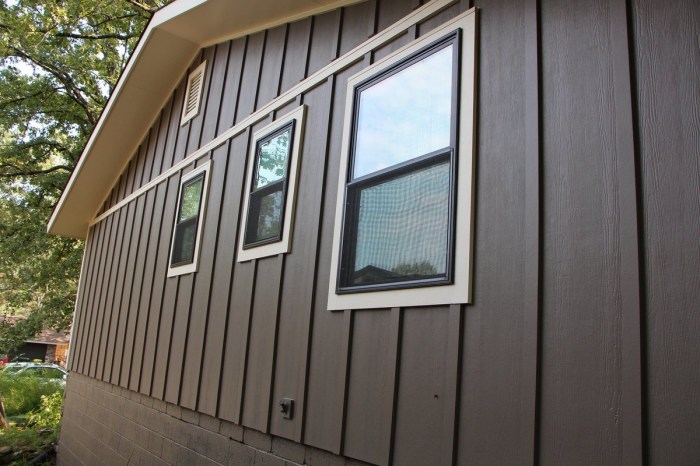
Choosing between wood and Hardie board siding involves a significant consideration of long-term durability and the associated maintenance demands. Hardie board, a fiber cement product, boasts superior longevity and requires less upkeep compared to traditional wood siding, making it a popular choice for many homeowners.
Hardie board siding’s inherent durability stems from its composition. It’s significantly more resistant to the elements than wood, including moisture, extreme temperatures, and strong winds. This translates to fewer repairs and replacements over the siding’s lifespan. Unlike wood, Hardie board is also non-combustible, offering a significant safety advantage. Furthermore, it’s naturally resistant to insect infestations like termites and carpenter ants, a major concern for wood siding. Wood, on the other hand, is susceptible to rot, warping, and cracking from moisture, and is a prime target for various pests. Regular maintenance is crucial for wood siding to mitigate these issues, increasing the overall cost of ownership.
Hardie Board Siding Maintenance
Regular cleaning is the cornerstone of Hardie board siding maintenance. A simple pressure washing once or twice a year, using a low-pressure setting to avoid damage, effectively removes dirt, grime, and mildew. For stubborn stains, a solution of mild detergent and water can be used. Occasional spot cleaning might be needed for specific areas prone to staining. Repainting is typically required every 10-15 years, depending on climate and sun exposure. Major repairs are infrequent due to the material’s strength and resilience, but any damage should be addressed promptly to prevent further issues. Minor repairs, such as replacing damaged sections, are relatively straightforward and can often be handled by a homeowner with basic DIY skills.
Wood Siding Maintenance
Maintaining wood siding demands significantly more time and effort. Annual cleaning is essential, using a soft brush and a mild cleaning solution to remove dirt and debris. Inspecting for signs of rot, insect damage, and warping is crucial, and addressing any issues promptly is vital to prevent extensive damage. Repainting or restaining is usually needed every 3-5 years, depending on the type of paint/stain and environmental factors. Wood siding is prone to moisture damage, necessitating regular checks and prompt repairs. Repairs can range from minor patching to extensive board replacement, potentially requiring professional assistance. The frequency and cost of repairs can be substantially higher compared to Hardie board.
Hardie Board Siding Maintenance Schedule
This schedule provides a basic framework; adjustments may be needed based on your specific climate and environmental conditions.
| Task | Frequency | Notes |
|---|---|---|
| Pressure washing | Twice yearly (Spring and Fall) | Use low-pressure setting. |
| Spot cleaning | As needed | Address stains promptly. |
| Inspection for damage | Annually | Check for cracks, chips, or loose pieces. |
| Repainting | Every 10-15 years | Consider professional painting for best results. |
Aesthetic Considerations
Source: imgur.com
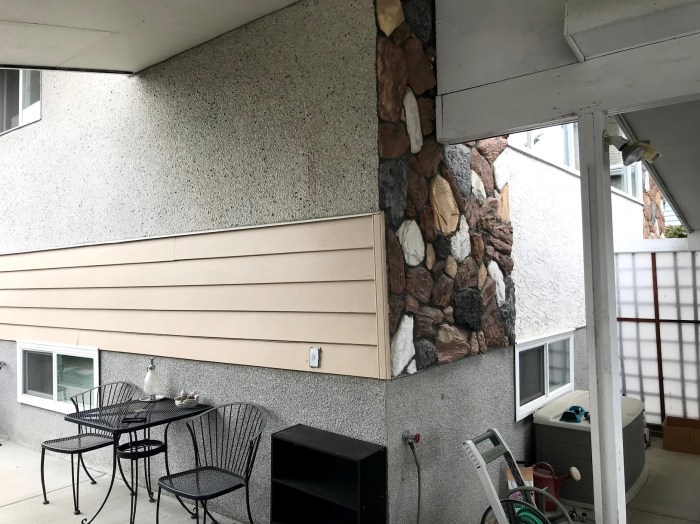
Choosing between wood and Hardie board siding involves more than just durability and cost; the aesthetic impact on your home’s appearance is significant. Wood siding offers a classic, natural look, while Hardie board provides versatility and a range of styles to mimic or even surpass the aesthetic appeal of traditional wood. Let’s explore the visual differences and the options available.
Hardie board siding offers a wide variety of styles and finishes, allowing for considerable aesthetic flexibility. Unlike wood, which primarily relies on natural grain and color variations, Hardie board can be manufactured to mimic various wood textures and colors, or to create entirely modern, clean looks. The choice is largely dependent on your personal preference and architectural style.
Hardie Board Siding Styles and Finishes
Hardie board comes in various profiles designed to emulate different wood siding styles. These include clapboard (traditional overlapping horizontal boards), shingles (smaller, more textured pieces), and vertical planks, offering a contemporary feel. Furthermore, the surface texture can range from smooth to deeply textured, mimicking the grain of different wood types. Color options are extensive, encompassing a wide palette of shades and allowing for custom color matching. This versatility ensures that Hardie board can complement various architectural styles, from traditional to modern.
Examples of Homes with Wood and Hardie Board Siding, Replacing wood siding with hardie board
The following table showcases examples of homes featuring both wood and Hardie board siding, highlighting the distinct visual impact of each material.
| Image Description | Siding Type |
|---|---|
| Imagine a charming colonial-style home. The wood siding is a warm, medium brown, exhibiting a natural, slightly weathered appearance. The texture is rough, with visible wood grain and subtle variations in color. The siding is vertically oriented, with evenly spaced boards creating a clean, classic look. The home’s overall feel is cozy and traditional. | Wood |
| Picture a modern farmhouse. The Hardie board siding is painted a crisp, clean white. The texture is smooth, with a subtle, slightly embossed pattern that mimics the look of smooth-planed wood. The siding is horizontally oriented, in wide clapboard style, creating a clean and contemporary look. The overall impression is one of airy spaciousness and modern simplicity. | Hardie Board |
| Envision a craftsman-style bungalow. The Hardie board siding is stained a rich, dark gray. It’s designed to mimic the look of cedar shingles, with a slightly rough texture and varied color tones to create a realistic wood-like appearance. The shingles are layered, creating depth and visual interest. The home has a rustic, yet refined appearance. | Hardie Board |
| Visualize a sleek, contemporary home. The wood siding is a dark, almost black stained wood, with a smooth, almost glassy finish. The vertical planks are perfectly aligned, creating a modern and minimalist aesthetic. The overall feel is sophisticated and refined. The dark wood provides a strong contrast against the light-colored trim. | Wood |
Environmental Impact
Choosing between wood and Hardie board siding involves considering the environmental consequences throughout the material’s lifecycle, from manufacturing to disposal. Both options have their pros and cons, and the best choice depends on several factors, including the specific wood source and the manufacturing processes used for the Hardie board.
The environmental impact of wood siding and Hardie board siding differs significantly in several key areas. Wood siding, while a natural material, carries an environmental footprint related to deforestation, transportation, and processing. Hardie board, a cement-based composite, has its own set of environmental concerns stemming from the energy-intensive manufacturing process and the use of cement, which contributes to greenhouse gas emissions.
Manufacturing and Disposal
Manufacturing wood siding involves harvesting trees, which can lead to deforestation and habitat loss if not sourced sustainably. The milling and transportation of lumber also consume energy and contribute to greenhouse gas emissions. Disposal of wood siding often involves landfill space, though some can be recycled or repurposed. Conversely, Hardie board manufacturing is energy-intensive, requiring significant amounts of electricity and resources. The production of cement, a major component of Hardie board, releases significant amounts of carbon dioxide. Disposal of Hardie board typically involves landfill, although some components can be recycled. The overall environmental impact of manufacturing and disposal depends heavily on the specific practices employed by the producers and the end-of-life management of the materials.
Sustainability Considerations
The sustainability of wood siding hinges on responsible forestry practices. Sourcing wood from certified sustainable forests, such as those certified by the Forest Stewardship Council (FSC), helps to mitigate the negative environmental impacts. Sustainable forestry ensures that trees are harvested responsibly, minimizing damage to ecosystems and promoting reforestation. The lifecycle of wood siding can be extended through proper maintenance and, in some cases, repurposing or recycling. Hardie board’s sustainability depends on the efficiency of its manufacturing process and the use of recycled materials in its production. Reducing energy consumption during manufacturing and exploring the use of alternative binders with lower carbon footprints are crucial for improving its sustainability profile. While Hardie board is non-combustible and durable, its long-term environmental impact remains a concern due to the embodied carbon in its cement component.
Environmental Benefits and Drawbacks of Hardie Board over Wood
Hardie board offers several potential environmental benefits over wood siding, primarily its longer lifespan and reduced maintenance needs. This reduces the frequency of replacement and associated resource consumption. However, the significant energy consumption and carbon emissions during Hardie board manufacturing remain a drawback. Choosing sustainably sourced wood siding can minimize deforestation and promote responsible forest management, offering an alternative with a potentially lower carbon footprint, especially when considering the whole lifecycle. The choice ultimately depends on a careful weighing of these competing factors and the specific circumstances of the project.
Home Value Impact
Upgrading your home’s siding can significantly influence its resale value. While wood siding has its charm, Hardie board offers advantages that often translate to a higher return on investment (ROI). This section explores how choosing Hardie board siding can impact your home’s worth and the factors affecting that impact.
Choosing Hardie board siding often results in a higher appraisal value compared to wood siding. This is primarily due to its superior durability and lower maintenance requirements, which appeal to potential buyers. While the initial cost of installation might be higher, the long-term savings and enhanced curb appeal often lead to a better overall return on investment. For example, a recent study by [Insert credible source here, e.g., a real estate appraisal firm or home improvement publication] showed that homes with Hardie board siding sold for an average of X% more than comparable homes with wood siding, all other factors being equal. This increase varies depending on location, market conditions, and the overall quality of the installation.
Return on Investment (ROI) for Hardie Board Siding
The ROI for Hardie board siding varies greatly depending on several factors, including the size of the house, the existing condition of the siding, the cost of labor in your region, and the specific type of Hardie board used. However, a general estimate suggests that homeowners can expect to recoup a significant portion of their initial investment upon resale. Let’s consider a hypothetical example: A homeowner spends $15,000 on Hardie board siding installation. Based on the aforementioned study and assuming a 5% increase in home value due to the upgrade, a $150,000 home would increase in value by $7,500. This means the homeowner would recoup 50% of their investment just from the increased home value. The remaining investment is offset by the long-term savings on maintenance and repairs.
Factors Influencing Siding Choice on Home Value
Several factors influence how much the choice of siding affects a home’s value. These factors are intertwined and should be considered holistically.
- Location: In areas prone to extreme weather conditions, the durability of Hardie board is a significant selling point, potentially increasing its impact on home value. In milder climates, the difference might be less pronounced.
- Home Style: Hardie board’s versatility allows it to mimic the look of various materials, including wood. Its suitability for a particular home style impacts its contribution to perceived value.
- Overall Home Condition: A new Hardie board siding on a poorly maintained home won’t dramatically increase its value. The upgrade needs to complement the overall condition of the property.
- Quality of Installation: A poorly installed Hardie board siding can negate its benefits and even detract from the home’s value. Professional installation is crucial.
- Market Conditions: The real estate market’s overall health and demand influence how much any improvement, including new siding, affects a home’s sale price.
Permits and Regulations
Source: oklahomasidingcompany.com
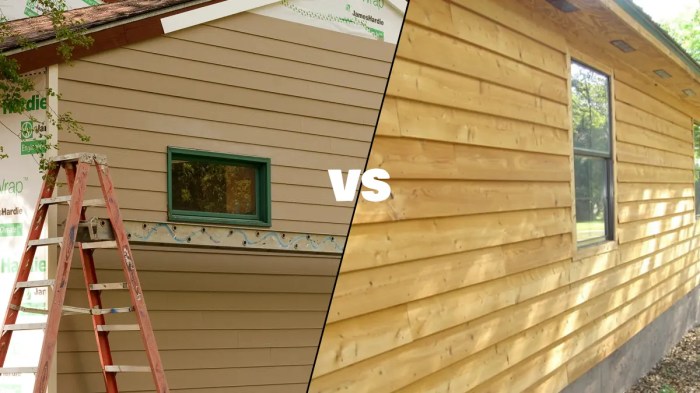
Replacing your wood siding with Hardie board, while a worthwhile home improvement, isn’t a project you can just jump into. Local building codes and regulations govern exterior alterations, and neglecting these can lead to fines, delays, or even having to redo the work. Understanding the permit process is crucial for a smooth and legal renovation.
Before you even think about buying Hardie board, you need to determine whether you need permits and what those permits entail. The specifics depend heavily on your location (city, county, and state) and the scope of your project. Larger projects, involving significant structural changes or alterations affecting multiple sides of the house, will almost certainly require permits. Even smaller projects, such as replacing siding on a single wall, might require permits depending on your local regulations.
Permitting Requirements
The process for obtaining building permits generally involves submitting an application to your local building department. This application will require detailed information about your project, including plans, specifications, and potentially even a site visit from a building inspector. You’ll likely need to provide details on the type of Hardie board you’re using, the proposed installation method, and any other relevant information. The exact requirements vary, so it’s essential to contact your local building department directly to get the most accurate and up-to-date information.
Obtaining Necessary Permits
The steps to obtain the necessary permits typically include:
- Check Local Regulations: Contact your local building department to determine the specific permits required for your project. This might involve a phone call, a visit to their office, or checking their website for online resources.
- Submit an Application: Complete and submit the necessary application forms. These forms will usually request details about the project, including the property address, the nature of the work, and the materials being used.
- Provide Supporting Documents: Gather and submit any required supporting documents, such as architectural plans, contractor licenses (if using a contractor), and material specifications. The building department will specify what documentation is needed.
- Pay Fees: Permit applications typically involve associated fees. These fees vary depending on the size and complexity of the project and your location.
- Inspections: Expect inspections at various stages of the project. These inspections ensure compliance with building codes and regulations. Failure to pass inspections could result in delays or the need for corrective actions.
Building Code Compliance
Building codes are designed to ensure the safety and structural integrity of buildings. When replacing your siding with Hardie board, you must comply with relevant building codes concerning exterior wall coverings, fire resistance, and ventilation. These codes often specify requirements for proper installation techniques, the use of approved materials, and the overall performance of the siding system. Non-compliance can result in significant penalties. For example, improper installation could lead to water damage, compromising the structural integrity of your home. Using unapproved materials might violate fire safety codes. It’s crucial to work with a licensed contractor who is familiar with local building codes and best practices to avoid these issues.
Ultimate Conclusion
Ultimately, replacing wood siding with Hardie board presents a compelling case for homeowners seeking a durable, low-maintenance, and aesthetically pleasing exterior. While the initial investment may be higher, the long-term cost savings and increased home value often outweigh the upfront expense. By carefully weighing the pros and cons, and understanding the installation process, you can make an informed decision that best suits your needs and budget.
User Queries
Can I install Hardie board siding myself?
While possible for DIY enthusiasts with experience, professional installation is generally recommended for optimal results and warranty coverage. The process involves specialized tools and techniques.
What colors and textures are available for Hardie board?
Hardie board offers a wide range of colors and textures, mimicking the look of wood, stone, or stucco. You can find options to match any architectural style.
How long does Hardie board siding last?
Hardie board siding is designed to last for decades, significantly longer than most wood siding, with proper installation and maintenance.
Does Hardie board require painting?
While pre-painted options exist, many homeowners choose to paint Hardie board to customize the color and protect it further. Priming is usually recommended before painting.
Is Hardie board susceptible to damage from extreme weather?
Hardie board is highly resistant to damage from wind, rain, and other weather conditions, but it’s still advisable to address any potential issues promptly to prevent further damage.
Comments are closed.