Cost to Replace One Piece of Vinyl Siding

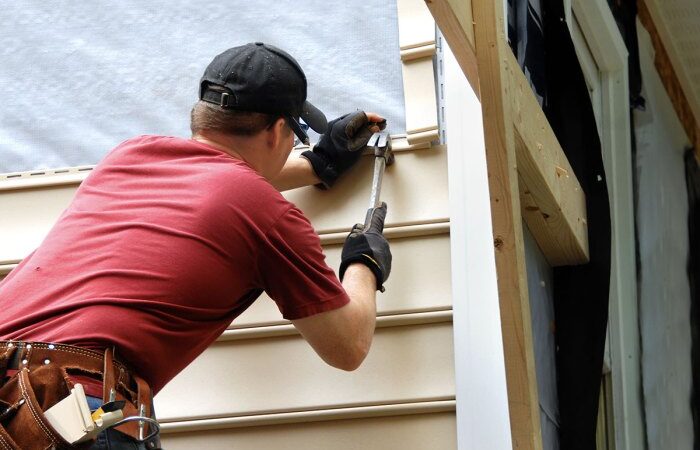
Cost to replace one piece of vinyl siding? It’s not as simple as it sounds! This seemingly small repair can actually involve a surprising number of variables, from the type of siding and its accessibility to labor costs and potential hidden expenses. We’ll break down all the factors influencing the price, helping you get a realistic estimate for your repair project. Understanding these elements will empower you to make informed decisions and potentially save money.
This guide will walk you through everything you need to know, from material costs and labor rates to unexpected expenses and DIY versus professional installation. We’ll cover different scenarios, provide cost comparisons, and offer tips for negotiating with contractors to get the best deal. By the end, you’ll have a clear picture of what to expect when replacing that single, seemingly insignificant piece of siding.
Factors Affecting Replacement Cost
Replacing a single piece of vinyl siding might seem like a small job, but the cost can vary surprisingly. Several factors contribute to the final price, and understanding these will help you budget accurately. This section breaks down the key influences on the cost of replacing just one damaged piece.
Material Costs
The type of vinyl siding significantly impacts the replacement cost. Higher-quality vinyl siding, often thicker and more durable, is more expensive. Thicker siding (e.g., .046 inches versus .040 inches) generally offers better resistance to damage and fading, justifying the higher price. Color also plays a role; some colors, especially those requiring more pigment, can cost more. Finally, textured vinyl siding, mimicking wood grain or other patterns, tends to be pricier than smooth siding. For example, a basic white, thin siding piece might cost a few dollars, while a thicker, textured, dark-colored piece could cost several times more.
Labor Costs
Labor costs are a significant part of the overall expense. The accessibility of the damaged siding greatly affects the time and effort required for replacement. Replacing a piece on a readily accessible ground-level section will be far cheaper than replacing one high up on a second-story wall or in a hard-to-reach area like a gable. The installer’s hourly rate or overall project fee will also influence the cost. Experienced installers may charge more than those with less experience. Furthermore, the additional work involved in repairing any underlying damage (e.g., water damage to the sheathing) will increase labor costs.
Location
Geographic location plays a role in both material and labor costs. Areas with a higher cost of living typically have higher labor rates. Shipping costs for the replacement siding can also add to the expense, particularly if the siding needs to be specially ordered. Rural areas may have fewer installers, leading to potentially higher labor costs due to travel time and reduced competition. Conversely, highly populated urban areas might offer more competitive pricing, but still face higher labor costs due to the overall economic climate.
Cost Comparison Table
The following table illustrates cost variations based on different scenarios:
| Scenario | Material Cost (Estimate) | Labor Cost (Estimate) | Total Estimated Cost |
|---|---|---|---|
| Easily accessible, standard siding | $5 – $15 | $25 – $75 | $30 – $90 |
| Difficult to reach (ladder required), standard siding | $5 – $15 | $75 – $150 | $80 – $165 |
| Easily accessible, premium siding | $15 – $30 | $25 – $75 | $40 – $105 |
| Difficult to reach (scaffolding required), premium siding | $15 – $30 | $150 – $300 | $165 – $330 |
Note: These are estimates, and actual costs can vary significantly based on specific circumstances.
Material Costs
Replacing a single piece of vinyl siding might seem like a small job, but understanding the material costs involved is crucial for budgeting accurately. The price can vary significantly depending on the quality of the siding and where you buy it from. Let’s break down the costs and factors influencing them.
The cost of a single vinyl siding panel depends heavily on its grade and features. Higher-grade vinyl tends to be thicker, more durable, and often boasts better color retention and resistance to impact damage.
Vinyl Siding Panel Prices
A single replacement vinyl siding panel can range from $2 to $15 or more, depending on the quality. A basic, entry-level panel might cost around $2-$5, while a premium, thicker panel with enhanced features (like impact resistance or a textured finish) could cost $10-$15 or even more. These prices are estimates and can vary based on location and retailer. For example, a standard 12-foot long panel in a basic white color might cost around $3-4 from a big-box store, whereas a similar panel in a premium wood-grain finish might cost $8-10.
Purchasing Locations and Cost Differences
Purchasing from a home improvement store versus a specialized siding contractor will affect the overall cost. Home improvement stores generally offer lower prices per panel for standard options due to their higher volume sales and purchasing power. However, contractors often source higher-quality materials and may include the cost of the panel within a larger labor package, making it difficult to isolate the material cost alone. For instance, buying a single panel at a big-box store will only cost the price of the panel, whereas a contractor might charge a higher rate that includes the panel, along with labor and possibly additional materials like sealant and nails.
Additional Materials
Replacing a single vinyl siding panel usually requires more than just the panel itself. You’ll likely need additional materials to ensure a proper and lasting repair.
- Nails: Galvanized roofing nails are recommended for their corrosion resistance. A small box of nails will likely suffice.
- Caulk: Exterior-grade caulk is essential to seal the edges of the new panel, preventing water penetration and drafts. Choose a caulk specifically designed for exterior use and vinyl siding.
- Sealant: A sealant can provide extra protection against moisture, especially in areas prone to water damage. This is often optional but recommended, particularly in areas with harsh weather conditions.
Factors Impacting Overall Material Cost
Several factors contribute to the total material cost beyond the price of the panel itself. Understanding these factors will help you budget more effectively.
- Siding Grade and Features: Higher-grade vinyl siding, with features like thicker material, improved color retention, and impact resistance, will naturally cost more.
- Color and Texture: More complex colors or textures, such as wood-grain finishes, often command a higher price than basic solid colors.
- Retailer and Location: Prices can vary significantly depending on where you purchase the materials. Home improvement stores typically offer lower prices than specialty contractors.
- Quantity Purchased: Buying in bulk might offer slight discounts, but it’s unlikely to be significant when replacing just one panel.
- Regional Pricing: Material costs can fluctuate depending on your geographic location and local market conditions.
Hidden Costs: Cost To Replace One Piece Of Vinyl Siding
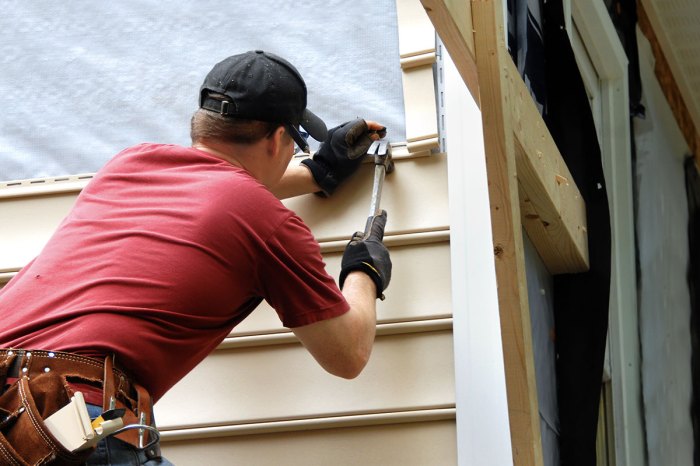
Source: centuryspouting.com
Replacing a single piece of vinyl siding might seem like a small job, but unforeseen expenses can quickly add up. It’s crucial to consider these potential hidden costs to avoid budget overruns and unpleasant surprises. This section details some of the less obvious expenses you might encounter.
Waste Disposal and Cleanup, Cost to replace one piece of vinyl siding
Proper disposal of the old siding and any associated debris is essential. Simply tossing it in the trash might not be an option, depending on your local regulations and the amount of waste generated. Many municipalities have restrictions on the disposal of construction and demolition waste, often requiring separate collection or trips to a designated waste facility. This can involve fees for bulky waste pickup or charges at the landfill. Additionally, cleaning up the work area after the replacement is complete might require additional time and effort, potentially necessitating the purchase of cleaning supplies. For example, a homeowner might need to pay for a dumpster rental (ranging from $300-$500 depending on size and rental duration) and associated disposal fees, or several trips to the local dump. Thorough cleanup to remove debris, nails, and scattered pieces of siding could also take several hours of labor, potentially adding to the overall cost.
Permit Requirements and Associated Fees
Depending on your location and the specifics of the project, you might need to obtain a building permit before starting the replacement. These permits are designed to ensure that all work adheres to local building codes and safety regulations. Permitting fees vary considerably by location and the scope of the work. In some areas, a permit for a small siding repair might not be required, while others may require permits even for minor home repairs. For instance, a city might charge $50-$200 for a simple permit, while more complex projects or those in stricter jurisdictions could involve significantly higher fees and more extensive application processes. Failing to obtain a necessary permit could result in fines or even legal action.
Additional Repairs or Replacements
While replacing a single piece of siding seems straightforward, the process might reveal underlying issues. For example, the damage to the original siding might indicate water damage to the underlying sheathing or rot in the wood framing. In such cases, repairing or replacing these damaged components adds significantly to the overall cost. Furthermore, the removal of the damaged siding piece could unintentionally damage adjacent siding, requiring additional replacements. Consider a scenario where removing the damaged piece reveals extensive water damage behind it, requiring the repair or replacement of several square feet of sheathing, adding hundreds or even thousands of dollars to the original estimate. Similarly, discovering that multiple pieces of siding are damaged during the initial inspection would increase the project’s overall scope and expense.
Estimating Replacement Cost
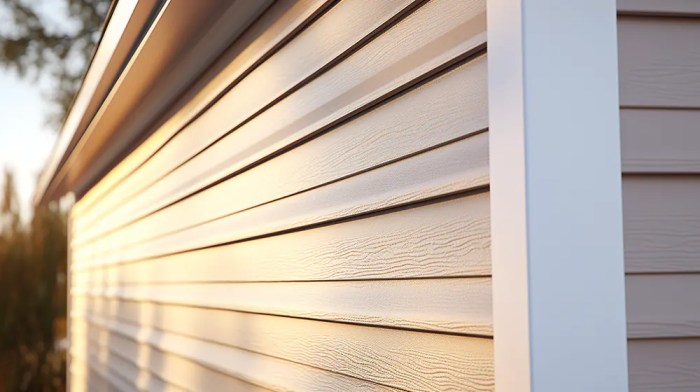
Source: prosuperiorconstruction.com
Getting an accurate estimate for replacing a single piece of vinyl siding involves considering both material and labor costs. A simple calculation won’t suffice; you need a more comprehensive approach to account for potential variables. This section will guide you through the process of creating a realistic estimate.
The total cost is essentially the sum of material cost and labor cost. The material cost is straightforward – it’s the price of the replacement siding piece. However, the labor cost can be more complex, influenced by factors like the siding’s location, accessibility, and the contractor’s hourly rate. Remember to always get multiple quotes to compare prices and ensure you’re getting a fair deal.
Sample Cost Estimate Table
The following table illustrates potential cost scenarios. Remember these are estimates and actual costs may vary based on your specific location and chosen contractor.
| Scenario | Material Cost ($) | Labor Cost ($) | Total Cost ($) |
|---|---|---|---|
| Easy Access, Standard Siding | 25 | 50-75 | 75-100 |
| Difficult Access (e.g., second story), Standard Siding | 25 | 75-125 | 100-150 |
| Specialized Siding (e.g., textured, unique color) | 50-75 | 75-125 | 125-200 |
| Repair Requires Additional Work (e.g., underlying damage) | 25-100+ | 100-200+ | 125-300+ |
Accounting for Variations in Costs
Material costs can fluctuate depending on the type of vinyl siding, its color, and the supplier. For instance, premium vinyl siding with enhanced durability or a specific color might cost significantly more than standard options. Similarly, labor costs vary depending on the contractor’s experience, location, and demand. Contractors in high-demand areas or those with specialized skills often charge higher rates. Unexpected issues, such as discovering rotted wood beneath the siding, can also significantly increase the total cost.
Negotiating with Contractors
Getting multiple quotes is crucial for comparison and negotiation. When reviewing quotes, carefully examine the breakdown of costs – materials and labor should be clearly specified. Don’t hesitate to ask questions about the materials being used and the labor involved. Politely negotiating a price is acceptable; many contractors are willing to work within a reasonable budget, especially if you’re presenting a well-researched estimate and showing that you’ve compared prices.
For example, if you receive a quote that seems unusually high, you can politely point out that other contractors have offered lower prices for similar work and ask for a possible adjustment. However, remember that the lowest bid isn’t always the best; ensure the contractor is reputable and insured.
Visual Representation of Damage and Repair
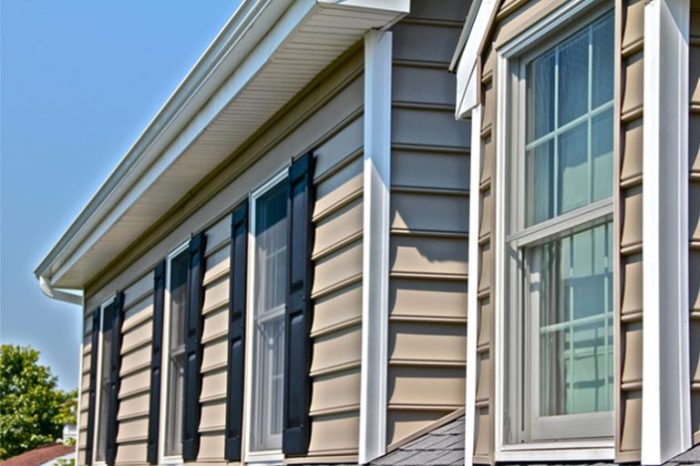
Source: ebyexteriors.com
Replacing a single piece of vinyl siding might seem straightforward, but understanding the visual cues of damage and the proper repair techniques is crucial for a lasting fix. This section will guide you through identifying damage, removing the old piece, and installing the new one correctly.
Types of Vinyl Siding Damage
Damaged vinyl siding can manifest in several ways, each requiring a slightly different approach to repair. Cracks, often appearing as thin lines or splits, can be caused by impact or extreme temperature fluctuations. Holes, usually larger than cracks, result from more significant impacts, such as a thrown object or accidental damage. Discoloration, ranging from subtle fading to significant staining, often indicates sun exposure or chemical damage. Severe warping or buckling can also necessitate replacement, signifying underlying structural issues or intense heat exposure. Imagine a crack spider-webbing across a section of siding, a clean hole punched through another, and a third panel faded to a noticeably lighter shade than its neighbors. These are all clear signs that replacement is necessary.
Removing the Damaged Piece
Before you begin, gather the necessary tools: a pry bar (preferably a plastic one to avoid scratching the surrounding siding), a utility knife, and work gloves. Carefully insert the pry bar under the damaged siding piece, starting at the bottom edge. Gently lever the siding upward, working your way along the length of the piece to release it from the underlying fasteners. Be cautious not to damage the surrounding siding. Once the bottom edge is loose, you can typically pull the piece away from the wall, freeing it from the top fasteners. If the siding is stubbornly stuck, carefully use the utility knife to sever any remaining fasteners. Visualize the pry bar acting like a gentle wedge, lifting the vinyl siding without force or tearing.
Installing the New Piece of Vinyl Siding
With the damaged piece removed, inspect the underlying area for any damage to the sheathing or flashing. Replace any damaged components before installing the new siding. The new piece should be carefully aligned with the surrounding panels, ensuring it sits flush with the adjacent pieces. Start at the bottom edge, slipping the new piece into place. Once properly aligned, secure the top edge with the appropriate fasteners, using a nail gun or hammer and nails (depending on the siding and your preference). Ensure the nails are not driven in too tightly to avoid warping the vinyl. Visualize the new piece sliding smoothly into its place, perfectly matching the surrounding panels, like a puzzle piece fitting snugly into its space. The nails should be countersunk slightly, almost invisible, yet providing firm and secure attachment.
Step-by-Step Repair Process
1. Assessment: Carefully examine the damaged area to determine the extent of the damage and the number of panels needing replacement.
2. Preparation: Gather necessary tools and materials, including the replacement siding panel, pry bar, utility knife, work gloves, and fasteners.
3. Removal: Carefully remove the damaged siding panel using the pry bar and utility knife, taking care not to damage surrounding panels.
4. Inspection: Inspect the underlying wall for any damage or water intrusion. Address any issues found before proceeding.
5. Installation: Align the new siding panel with adjacent panels, ensuring a tight and flush fit.
6. Fastening: Secure the new panel using appropriate fasteners, taking care not to overtighten and damage the vinyl.
7. Cleanup: Dispose of the old siding panel and clean up any debris.
Outcome Summary
Replacing a single piece of vinyl siding might seem like a minor task, but understanding the associated costs is crucial for a successful and budget-friendly repair. From material selection and labor considerations to potential hidden expenses, we’ve covered the key aspects influencing the final price. By carefully considering these factors and planning ahead, you can confidently tackle this project and keep your home looking its best without breaking the bank. Remember to get multiple quotes and factor in all potential costs before starting the work.
Quick FAQs
Can I replace vinyl siding myself?
Yes, but it requires some DIY skills and the right tools. If you’re not comfortable with home repairs, hiring a professional is recommended to avoid further damage.
What tools do I need to replace a vinyl siding piece?
You’ll likely need a pry bar, utility knife, hammer, nails (specifically designed for vinyl siding), caulk, and possibly a sealant. Always refer to the manufacturer’s instructions for specific tools and techniques.
How long does it take to replace one piece of vinyl siding?
A simple replacement might take an hour or less for a DIYer, while a professional might complete it faster, but the overall time depends on the accessibility of the damaged area and any additional repairs needed.
What if the damage is more extensive than just one piece?
If the damage extends beyond a single piece, it’s best to consult a professional for a proper assessment and repair plan. Attempting to fix extensive damage yourself could lead to more significant problems and added costs.
Where can I find replacement vinyl siding?
Home improvement stores and specialized siding contractors are common sources. The contractor may offer a wider range of colors and textures, but home improvement stores might offer more competitive pricing on standard options.
Comments are closed.