Most Durable Home Siding A Buyers Guide


Most durable home siding isn’t just about aesthetics; it’s about long-term value and peace of mind. Choosing the right siding can save you money on repairs and replacements down the line, protecting your investment and boosting your home’s curb appeal for years to come. This guide dives into the materials, installation, and factors that influence the lifespan of your home’s exterior, helping you make an informed decision.
We’ll explore various siding options, comparing their resistance to weather damage, maintenance needs, and overall cost-effectiveness. From understanding the impact of UV rays and moisture to navigating installation techniques and avoiding common pitfalls, we’ll equip you with the knowledge to choose the siding that best suits your home and budget.
Material Properties of Durable Siding

Source: co.uk
Choosing the right siding for your home involves understanding the material properties that contribute to its longevity and resilience. Different materials offer varying degrees of protection against the elements and impact damage, requiring different levels of maintenance. This section details the characteristics of common siding materials, allowing for informed decision-making.
Chemical Composition and Physical Properties of Common Siding Materials
Fiber cement siding is a composite material made of Portland cement, cellulose fibers, and silica sand. Its high density provides excellent strength and durability. Vinyl siding, primarily polyvinyl chloride (PVC), is a plastic polymer known for its flexibility and low maintenance. Wood siding, typically cedar, redwood, or pine, is a natural product with varying density and grain structure depending on the species. Metal siding, often aluminum or steel, is known for its strength and resistance to fire and insects. Engineered wood siding, like composite wood, combines wood fibers with resins and waxes to create a more durable and dimensionally stable product than traditional wood.
Impact Resistance of Different Siding Materials
Fiber cement siding’s high density makes it exceptionally resistant to impact damage from hail and debris. Vinyl siding, while less resistant than fiber cement, can withstand minor impacts, but larger impacts can cause dents or cracks. Wood siding’s impact resistance varies greatly depending on the wood species and thickness; harder woods are more resistant. Metal siding offers superior impact resistance, readily withstanding hail and other impacts without significant damage. Engineered wood siding offers moderate impact resistance, generally better than standard wood but less than fiber cement or metal. For example, a severe hailstorm might leave minor dents in vinyl siding, but fiber cement would likely remain largely unscathed.
Effects of UV Radiation and Moisture on Siding Longevity
UV radiation degrades many siding materials over time, leading to fading, cracking, and embrittlement. Vinyl siding is particularly susceptible to UV degradation, requiring UV inhibitors in its composition to mitigate this. Wood siding is also vulnerable, with prolonged sun exposure leading to discoloration and checking (small cracks). Fiber cement siding is more resistant to UV damage than vinyl or wood, although some discoloration might occur over many years. Metal siding’s resistance to UV radiation is excellent, showing minimal degradation over decades. Engineered wood siding’s resistance depends on the specific formulation, with some offering better UV protection than others. Moisture can lead to rotting in wood siding, and if not properly sealed, can also damage engineered wood. Fiber cement is highly resistant to moisture, while vinyl’s resistance depends on proper installation to prevent water penetration behind the siding. Metal siding is naturally resistant to moisture, though condensation can be an issue if not properly ventilated.
Maintenance Requirements for Different Siding Types
Regular cleaning and occasional repairs are necessary to maintain the appearance and integrity of any siding. Wood siding requires periodic painting or staining to protect it from moisture and UV damage. Vinyl siding typically only needs occasional washing with soap and water to remove dirt and grime. Fiber cement siding is low-maintenance but may require occasional cleaning and spot repairs for cracks or chips. Metal siding usually only requires occasional washing, and repairs are less frequent due to its durability. Engineered wood siding often needs similar maintenance to wood siding, depending on the specific product and its finish.
| Material | UV Resistance | Moisture Resistance | Maintenance |
|---|---|---|---|
| Fiber Cement | Good | Excellent | Low; occasional cleaning and spot repairs |
| Vinyl | Fair | Good (with proper installation) | Low; occasional cleaning |
| Wood | Poor | Poor (without proper treatment) | High; periodic painting/staining |
| Metal | Excellent | Excellent | Low; occasional cleaning |
| Engineered Wood | Moderate to Good (depending on product) | Moderate to Good (depending on product) | Moderate; periodic cleaning and potential repainting/restaining |
Installation Techniques and Their Impact on Durability
Proper installation is paramount to achieving the advertised lifespan of any home siding. A seemingly small mistake during installation can significantly reduce the siding’s durability, leading to premature deterioration and costly repairs. Understanding the nuances of different installation methods and the crucial role of proper flashing and sealing is key to ensuring your siding investment lasts for decades.
Siding Installation Methods and Their Comparison
Different siding materials require different installation techniques. Nailing, stapling, and clipping are common methods, each with its own advantages and disadvantages regarding durability. Nailing, a traditional method, is suitable for many siding types but requires precision to avoid splitting the material or driving nails too deep. Stapling offers speed and efficiency, especially for vinyl siding, but can be less secure and potentially lead to fastener failure over time. Clipping systems, frequently used with metal or composite siding, provide a more robust and secure connection, often resisting high winds and impact better than nailing or stapling. The choice of installation method should always align with the specific siding material’s properties and the local climate conditions.
The Importance of Flashing and Sealing
Water intrusion is a major cause of siding failure. Proper flashing and sealing are essential to prevent water from penetrating behind the siding and causing damage to the underlying structure. Flashing, typically made of metal, is installed around windows, doors, and other penetrations in the wall to divert water away from these vulnerable areas. Sealants, such as caulk or specialized siding sealants, should be used to create a continuous watertight barrier between the siding and other building components. Neglecting these crucial steps can lead to rot, mold growth, and structural damage.
Common Installation Mistakes Affecting Siding Durability
Even with the best materials, improper installation can severely compromise siding durability. Here are some common mistakes to avoid:
- Using the wrong type of fasteners for the siding material.
- Driving nails or staples too deeply or too shallowly, leading to fastener pull-through or damage to the siding.
- Failing to properly align and overlap siding panels, creating gaps that allow water penetration.
- Neglecting to install flashing around windows, doors, and other penetrations.
- Using inadequate or inappropriate sealants, resulting in gaps and leaks.
- Not allowing for proper expansion and contraction of the siding material, leading to cracking or buckling.
- Improperly installing starter strips or J-channels, leading to water penetration at the bottom of the siding.
- Ignoring damaged or defective siding panels during installation, leading to future problems.
Factors Affecting Siding Lifespan Beyond Material and Installation
Choosing the right siding material and installing it correctly are crucial for longevity, but external factors significantly influence how long your siding will last. Understanding these elements allows for proactive maintenance and protection, maximizing your investment. This section details several key influences on siding lifespan beyond material and installation choices.
Environmental Factors and Siding Durability
Climate plays a dominant role in siding degradation. Harsh weather conditions accelerate deterioration. For example, prolonged exposure to intense UV radiation from sunlight can cause fading, cracking, and weakening of many siding materials, especially those made from polymers or wood. Similarly, frequent freeze-thaw cycles, common in colder climates, can lead to expansion and contraction stresses, potentially causing cracking and damage, particularly in less flexible materials. Coastal areas face the added challenge of salt spray, which is highly corrosive and can damage many siding types over time. Extreme weather events like hurricanes, hailstorms, and heavy snowfall can inflict immediate and significant damage, requiring repairs or even complete replacement. Regions prone to wildfires also face a unique threat, as intense heat can easily ignite and destroy many types of siding.
Pest Infestations and Their Impact on Siding
Various pests can compromise the structural integrity of your siding. Termites, for example, are notorious for tunneling through wood siding, causing significant damage that often goes unnoticed until it’s extensive. Carpenter ants also bore into wood, weakening the structure and potentially leading to collapse. While vinyl and fiber cement siding are generally resistant to insect infestation, they are not immune to damage from pests seeking shelter or nesting areas behind the siding. Regular pest inspections, particularly in areas with known infestations, are crucial for early detection and prevention. Proactive measures, such as treating the soil around the foundation with termite repellent, can also help minimize the risk.
Proper Ventilation and Moisture Control
Adequate ventilation is essential for preventing moisture buildup within the wall cavity. Moisture trapped behind the siding can lead to rot, mold growth, and the deterioration of insulation, ultimately shortening the siding’s lifespan. Properly installed ventilation systems, such as soffit vents and ridge vents, create airflow that helps to dry out the wall cavity and prevent moisture accumulation. This is particularly important in climates with high humidity or frequent rainfall. Failing to ensure adequate ventilation can lead to significant and costly problems down the line.
Protecting Siding from Extreme Temperature Fluctuations
Significant temperature swings can cause expansion and contraction in siding materials, leading to cracking, warping, and other forms of damage. This is especially true for materials that have a high coefficient of thermal expansion. To mitigate this, consider using siding materials with lower expansion rates. In addition, proper installation techniques, such as using expansion gaps, can help accommodate these changes and prevent damage. Using exterior paints or coatings designed to reflect sunlight can also help reduce the impact of extreme heat. For example, light-colored siding tends to absorb less heat than darker colors. Careful consideration of material choice and installation techniques tailored to the local climate is essential for maximizing siding durability.
Cost-Effectiveness of Different Siding Options

Source: com.au
Choosing the right siding for your home involves more than just aesthetics; it’s a significant investment that impacts both upfront costs and long-term expenses. Understanding the cost-effectiveness of different durable siding options is crucial for making a financially sound decision. This section will compare the initial costs, maintenance needs, and projected lifespans of several popular siding materials to help you determine the best value for your investment.
The total cost of siding isn’t just the price of the materials themselves. It includes installation, potential repairs over time, and the eventual need for replacement. While some materials have higher initial costs, they may offset this with lower maintenance and a longer lifespan, ultimately proving more cost-effective in the long run. Conversely, cheaper options might require more frequent repairs and replacements, negating any initial savings.
Initial and Long-Term Costs of Durable Siding Materials, Most durable home siding
Let’s analyze the cost-effectiveness of several popular siding choices by comparing their initial costs, annual maintenance expenses, and lifespan. These figures are estimates and can vary based on factors like location, labor costs, and material quality. Always get multiple quotes from reputable contractors for accurate pricing in your area.
| Material | Initial Cost (per sq ft) | Annual Maintenance Cost (per sq ft) | Lifespan (years) |
|---|---|---|---|
| Fiber Cement | $7-$15 | $0.10-$0.50 | 50-80 |
| Vinyl | $4-$10 | $0.05-$0.25 | 20-40 |
| Wood | $6-$20+ | $0.50-$2.00+ | 20-50 (depending on wood type and maintenance) |
| Aluminum | $5-$12 | $0.10-$0.30 | 30-50 |
| Engineered Wood | $8-$15 | $0.20-$0.75 | 30-50 |
Return on Investment (ROI) Calculation
To illustrate ROI, let’s consider a 1000 sq ft house. We’ll use the mid-range values from the table above for simplicity. Keep in mind that these are estimations and actual costs may vary significantly.
Example: Fiber Cement Siding
Initial Cost: $11/sq ft * 1000 sq ft = $11,000
Annual Maintenance: $0.30/sq ft * 1000 sq ft = $300
Total Cost over 50 years (midpoint of lifespan): $11,000 + ($300 * 50) = $26,000
Cost per year: $26,000 / 50 years = $520/year
Example: Vinyl Siding
Initial Cost: $7/sq ft * 1000 sq ft = $7,000
Annual Maintenance: $0.15/sq ft * 1000 sq ft = $150
Total Cost over 30 years (midpoint of lifespan): $7,000 + ($150 * 30) = $11,500
Cost per year: $11,500 / 30 years = $383/year
While vinyl has a lower initial cost and lower annual maintenance, the shorter lifespan means it will need replacing sooner than fiber cement, impacting the overall long-term cost.
These examples demonstrate that while initial costs are a factor, the long-term cost of maintenance and eventual replacement significantly influences the overall cost-effectiveness of different siding materials. Careful consideration of these factors is vital for making a financially responsible decision.
Visual Appeal and Design Considerations: Most Durable Home Siding
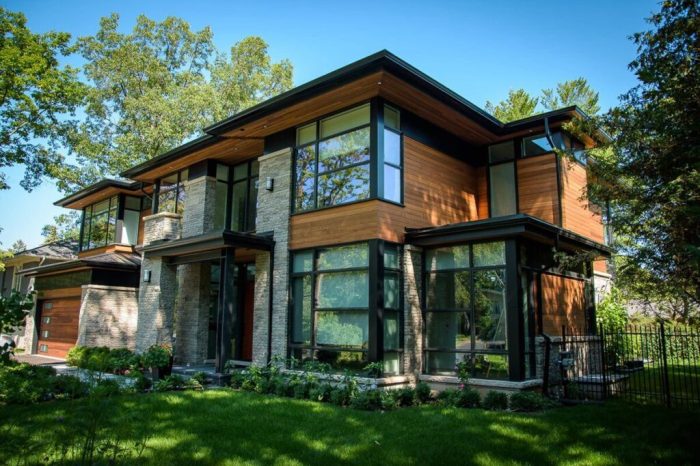
Choosing the right siding isn’t just about durability; it’s about enhancing your home’s aesthetic appeal and creating a cohesive exterior design. The visual impact of your siding significantly contributes to your home’s curb appeal and overall value. Understanding the aesthetic qualities of different materials and how they interact with other exterior elements is crucial for achieving a stunning and lasting result.
The aesthetic qualities of durable siding materials vary widely. Fiber cement siding, for example, offers a clean, crisp look that can mimic the appearance of wood or stucco, often with a more textured finish. Vinyl siding comes in a vast array of colors and textures, from smooth to wood-grain, allowing for significant design flexibility but sometimes lacking the depth of more premium materials. Metal siding, particularly aluminum or steel, presents a modern, sleek aesthetic, often chosen for its low-maintenance qualities and durability. Brick, while not strictly siding in the traditional sense, remains a popular choice for its timeless appeal and robust character. Each material offers unique visual characteristics that can dramatically influence the overall look of a home.
Siding Color and Texture Impact on Curb Appeal
Color and texture play a pivotal role in shaping a home’s curb appeal. A light-colored siding, such as a creamy white or soft gray, can make a house appear larger and brighter, especially in shady areas. Darker colors, like deep blues or charcoal grays, can create a more dramatic and sophisticated look, but might absorb more heat. The texture also contributes significantly; a smooth surface gives a modern feel, while a wood-grain texture provides a more traditional or rustic appearance. For instance, a home with dark gray, wood-grain vinyl siding might project a cozy, cottage-like charm, whereas a home clad in smooth, white fiber cement siding might convey a sense of modern elegance. Consider the architectural style of your home when choosing colors and textures to ensure a harmonious blend.
Siding Integration with Other Exterior Features
Careful consideration of how siding interacts with other exterior elements is essential for a cohesive and visually pleasing outcome. The choice of siding should complement the style and color of your windows, trim, and roofing. For example, a home with dark brown trim and a gray roof might look best with siding in a shade of gray or beige, creating a unified color palette. Conversely, contrasting colors can also be effective, but require careful planning to avoid a jarring or disjointed look.
- Roofing Material Compatibility: The color and style of the roofing should complement the siding. For example, a steeply pitched roof might look better with vertical siding, while a low-pitched roof might suit horizontal siding.
- Window and Door Frame Coordination: Window and door frames should harmonize with the siding color and style. Consider using contrasting colors for visual interest or matching colors for a more unified look.
- Trim and Fascia Considerations: Trim and fascia should be chosen to complement the siding, creating a visually appealing transition between the siding and other architectural features.
- Landscaping Integration: The overall color scheme should complement the surrounding landscape and garden. Consider the colors of your plants, flowers, and other landscaping elements when choosing siding colors.
Visual Impact of Proper vs. Poor Siding Installation
The difference between properly and poorly installed siding is striking. Properly installed siding exhibits clean, consistent lines and seamless transitions between panels. Seams are barely visible, creating a smooth, unified surface. The overall finish is crisp and professional, enhancing the home’s curb appeal. In contrast, poorly installed siding often shows uneven gaps between panels, misaligned seams, and visible fasteners. Lines appear crooked or wavy, and the overall finish looks unprofessional and unfinished. Poorly installed siding can also lead to issues with water penetration and damage to the underlying structure, further diminishing the home’s value and aesthetic appeal. Imagine a house with perfectly aligned siding – the clean lines create a sense of order and precision. Now picture the same house with wavy lines and noticeable gaps; the impression shifts immediately to one of neglect and poor workmanship. The difference is substantial and immediately apparent.
Concluding Remarks
Source: wiedehopf.ca
Selecting the most durable home siding is a crucial decision impacting both the longevity and value of your property. By carefully considering material properties, installation practices, and environmental factors, you can significantly extend the life of your siding and minimize future maintenance costs. Remember, the initial investment in high-quality materials and professional installation often pays off handsomely in the long run, providing years of worry-free enjoyment of your home’s exterior.
Expert Answers
What is the average lifespan of different siding materials?
Lifespans vary greatly. Vinyl siding can last 20-40 years, fiber cement 50+ years, and wood siding 20-50 years depending on maintenance. Metal siding can last even longer, often exceeding 50 years.
Can I install siding myself?
While DIY is possible for some types, professional installation is generally recommended for optimal durability and warranty coverage. Improper installation can lead to costly repairs later.
How often should I clean my siding?
Regular cleaning, at least once or twice a year, is crucial to remove dirt, mildew, and other debris. The frequency depends on your climate and siding material.
What are the signs of siding damage that require immediate attention?
Look for cracks, warping, significant discoloration, loose or damaged sections, and signs of water damage (e.g., rotting wood, peeling paint). Address these issues promptly to prevent further damage.
How do I choose the right siding color for my home?
Consider your home’s architectural style, surrounding landscape, and personal preferences. Sample colors on your home’s exterior before making a final decision.
Comments are closed.