Most Durable House Siding A Buyers Guide

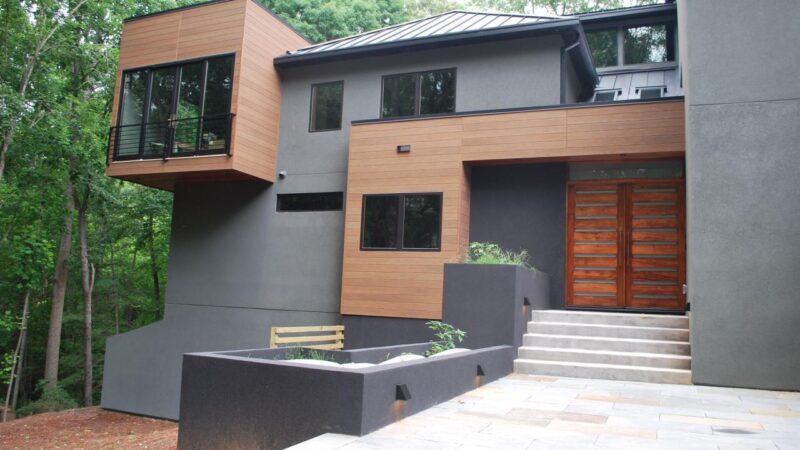
Most durable house siding is crucial for protecting your home and increasing its value. Choosing the right siding isn’t just about aesthetics; it’s about long-term durability, maintenance needs, and overall cost-effectiveness. This guide dives into the various types of durable siding available, helping you weigh the pros and cons of each to make an informed decision that fits your budget and lifestyle. We’ll cover everything from material selection and installation to maintenance tips and cost comparisons, ensuring you’re well-equipped to choose the best siding for your home.
We’ll explore the top contenders for long-lasting protection, including fiber cement, vinyl, metal, and wood siding, comparing their impact resistance, lifespan, and maintenance requirements. We’ll also examine how factors like climate and proper installation significantly influence a siding’s longevity. By the end, you’ll have a clear understanding of what makes siding durable and how to choose the best option for your needs.
Types of Durable House Siding
Source: nichiha.com
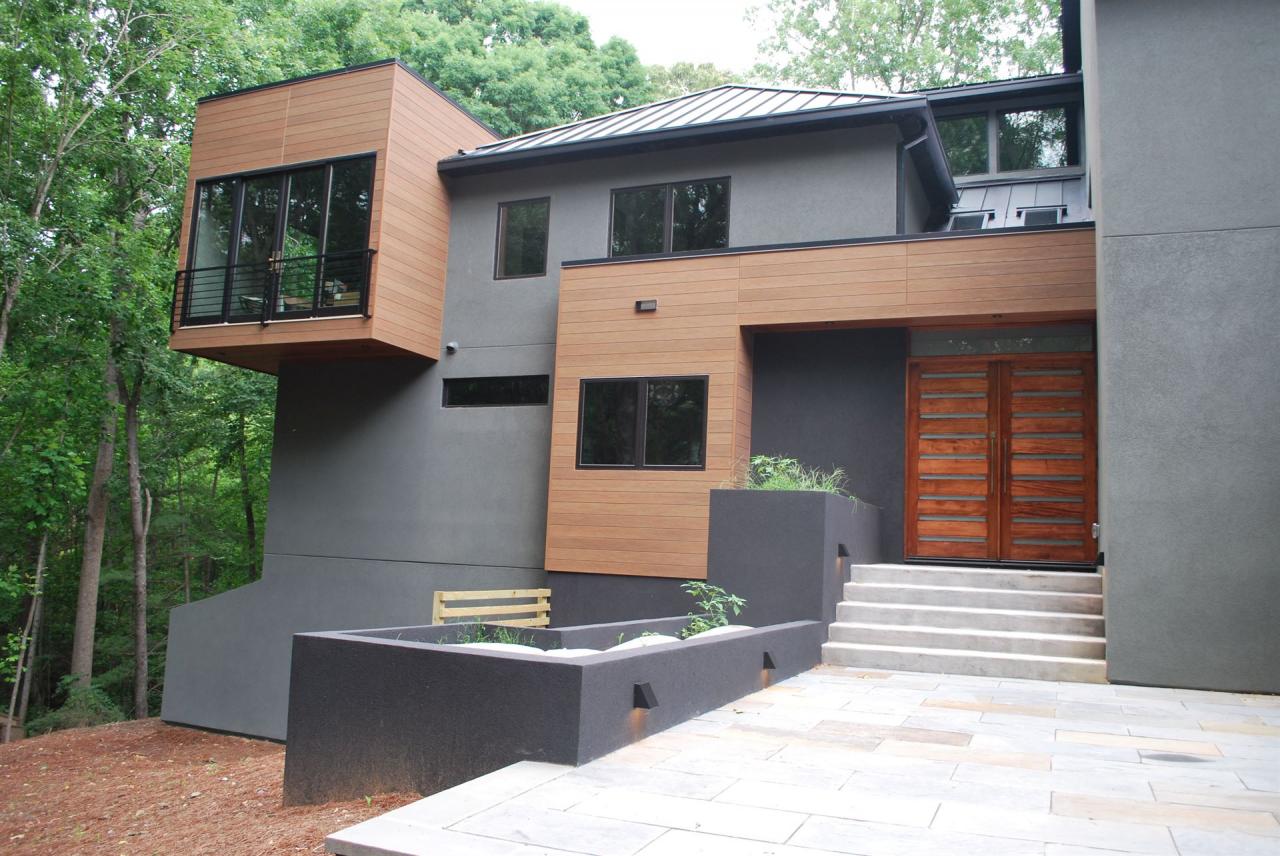
Choosing the right siding for your home is a crucial decision impacting both aesthetics and longevity. The material you select will significantly influence your home’s curb appeal, energy efficiency, and the overall cost of ownership over the years. Understanding the various options and their respective strengths and weaknesses is essential for making an informed choice.
This section will explore five common types of durable house siding, comparing their lifespans, maintenance needs, and costs. We’ll also delve into the impact resistance of some popular choices and examine the advantages and disadvantages of wood siding, considering the variability inherent in different wood types.
Durable Siding Materials Compared
The following table provides a comparison of five common siding materials known for their durability. Remember that actual lifespan and cost can vary depending on factors like climate, installation quality, and specific product choices.
| Material | Lifespan (Years) | Maintenance | Cost (Relative) |
|---|---|---|---|
| Fiber Cement | 50+ | Minimal; occasional cleaning and repainting | High |
| Vinyl | 20-40 | Low; occasional cleaning | Medium |
| Metal (Aluminum or Steel) | 40+ | Low; occasional cleaning | Medium-High |
| Engineered Wood | 30-50 | Moderate; occasional cleaning, staining, or sealing | Medium |
| Brick | 100+ | Very Low; occasional cleaning | Very High |
Impact Resistance of Fiber Cement, Vinyl, and Metal Siding
Impact resistance is a critical factor in siding selection, particularly in areas prone to hail or other impacts. The following points compare the performance of three popular materials.
- Fiber Cement: Offers excellent impact resistance, generally superior to vinyl and comparable to some metal sidings. It’s less prone to dents and scratches.
- Vinyl: Relatively low impact resistance. While durable against everyday wear, it can dent or crack easily from impacts like hail or falling branches.
- Metal: Provides superior impact resistance, excelling in areas with frequent hail or strong winds. It’s highly resistant to dents and scratches.
Advantages and Disadvantages of Wood Siding
Wood siding, while beautiful, requires careful consideration regarding durability. The choice of wood type significantly influences its longevity and maintenance needs. Cedar and redwood, for example, are naturally resistant to rot and insects, while other less-durable woods may require more frequent maintenance.
Advantages: Aesthetically pleasing, natural look and feel, can increase home value (especially with premium wood types).
Disadvantages: Susceptible to rot, insect infestation, and warping if not properly treated and maintained. Requires regular painting or staining to protect against the elements. Cost can vary widely depending on wood type and quality; premium woods like cedar and redwood are significantly more expensive than pine or other softwoods. Maintenance costs can also be substantial over the siding’s lifespan.
Factors Affecting Siding Durability
Source: wixstatic.com
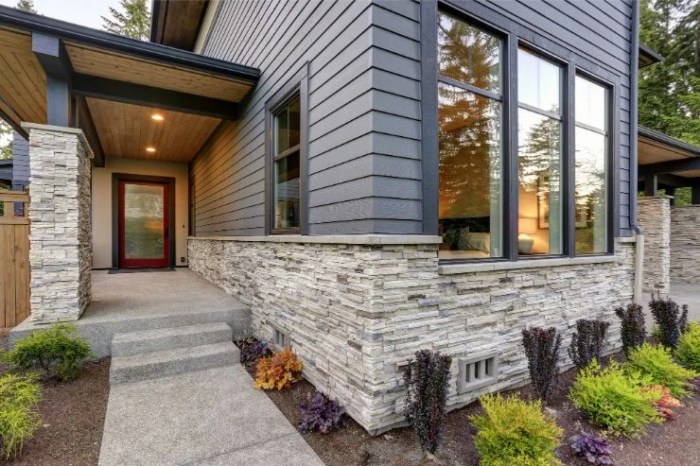
Choosing the right siding material is only half the battle. The longevity of your house’s exterior depends heavily on several factors beyond the material itself. Understanding these influences is crucial for maximizing your siding’s lifespan and avoiding costly repairs down the line. Let’s delve into the key elements that affect siding durability.
Climate’s Impact on Siding
Climate plays a significant role in how long your siding lasts. Extreme temperature fluctuations, high humidity, and intense sun exposure all accelerate the degradation of various materials. For instance, wood siding in consistently humid climates is prone to rot and mildew growth, while vinyl siding in areas with extreme temperature swings can become brittle and crack. Metal siding, though durable, can be susceptible to corrosion in salty coastal environments. Conversely, fiber cement siding generally holds up well in a variety of climates, but prolonged exposure to intense UV radiation can lead to fading and discoloration. The specific impact varies depending on the material’s composition and quality. For example, a high-quality, properly treated cedar siding will fare better in a humid climate than a lower-grade, untreated pine siding.
Proper Installation Techniques and Their Effects
Proper installation is paramount to siding longevity. Improper installation can lead to premature failure, regardless of the material’s inherent durability. Common errors include inadequate flashing around windows and doors (allowing water penetration), insufficient ventilation behind the siding (leading to moisture buildup), and improper fastening (resulting in loose or damaged panels). For example, using too few nails or using nails that are too short can cause the siding to pull away from the house, allowing water to seep in. Conversely, using nails that are too long can damage the siding itself. These issues can lead to rot, warping, insect infestation, and ultimately, costly repairs or complete siding replacement.
Key Factors Beyond Material and Installation
Beyond material selection and installation, three additional factors significantly impact siding durability:
- Maintenance: Regular cleaning and inspection of your siding are essential. Removing dirt, debris, and mildew prevents damage from accumulating. Early detection of minor issues, such as loose panels or damaged areas, allows for timely repairs before problems worsen. Neglecting maintenance can dramatically shorten the lifespan of even the most durable siding.
- Exposure to Impact: Impacts from falling branches, hail, or even errant sports equipment can damage siding. While some materials are more resistant to impact than others, no material is completely immune. Regular inspections and prompt repairs of impact damage can prevent further deterioration.
- Quality of Underlying Structure: The condition of the house’s sheathing and underlying structure plays a crucial role in siding durability. If the wall sheathing is damaged or improperly installed, it can lead to moisture problems, which will affect the siding regardless of the material used. A well-maintained and properly constructed house provides a stable and protective environment for the siding, maximizing its lifespan.
Maintenance and Repair of Durable Siding

Source: newulm-tx.com
Proper maintenance is key to extending the lifespan of your house siding, regardless of the material. Regular cleaning and prompt repairs can prevent small problems from escalating into costly replacements. This section will guide you through maintaining different siding types and addressing common issues.
Cleaning and Maintaining Different Siding Types
Regular cleaning removes dirt, grime, and other debris that can damage your siding over time. The cleaning method varies depending on the siding material. Different materials require different cleaning solutions and techniques to avoid damage. Improper cleaning can lead to scratches, discoloration, or even structural damage.
- Vinyl Siding: Wash with a solution of mild detergent and water using a soft-bristled brush or sponge. Rinse thoroughly with a garden hose. Avoid harsh chemicals or abrasive cleaners. For stubborn stains, consider a pressure washer set to a low pressure setting to prevent damage.
- Fiber Cement Siding: Clean with a solution of mild detergent and water, using a soft-bristled brush or sponge. Rinse thoroughly. Fiber cement is more durable than vinyl, but avoid abrasive cleaners or high-pressure washing, which can damage the surface.
- Wood Siding: Wood siding requires more frequent cleaning and maintenance. Use a mild detergent and water solution, scrubbing gently with a soft brush. Consider using a wood cleaner specifically designed for exterior use. Regularly inspect for signs of rot or insect infestation and address them promptly.
- Metal Siding: Metal siding is generally low-maintenance. Wash with a solution of mild detergent and water, using a soft brush or sponge. Rinse thoroughly. Avoid abrasive cleaners that could scratch the surface. For stubborn stains, a low-pressure washer can be used.
Common Siding Problems and Repair Methods
Several issues can affect siding, leading to costly repairs if neglected. Early detection and timely repair are crucial to prevent further damage and maintain the siding’s integrity. The cost of repair will vary depending on the extent of the damage and the type of siding.
| Problem | Cause | Repair Method | Cost |
|---|---|---|---|
| Cracks | Impact damage, settling foundation, age, extreme temperature changes | For minor cracks in vinyl or fiber cement, patching with appropriate sealant may suffice. Larger cracks in wood or metal may require replacement of the damaged section. | $20 – $1000+ (depending on size and material) |
| Fading | Sun exposure, weathering | Repainting or staining (wood siding). Vinyl and fiber cement are less prone to fading but may benefit from occasional cleaning. | $100 – $2000+ (depending on size and material) |
| Water Damage | Leaks, improper installation, damaged flashing | Repairing leaks, replacing damaged sections, re-caulking. May require professional assistance. | $100 – $5000+ (depending on extent of damage) |
| Rot (Wood Siding) | Moisture exposure, insect infestation | Replacing rotten sections. May require professional treatment for insect infestation. | $100 – $2000+ (depending on extent of damage) |
| Dents (Metal Siding) | Impact damage | Minor dents may be able to be pushed out. Significant dents may require panel replacement. | $50 – $500+ (depending on extent of damage) |
Tips for Preventing Damage and Extending Siding Life
Regular inspection is vital for early detection of issues. Addressing small problems before they escalate prevents costly repairs down the line. Consider these preventative measures:
- Regular Cleaning: Clean your siding at least once or twice a year to remove dirt, debris, and mold.
- Proper Drainage: Ensure gutters and downspouts are clean and functioning correctly to prevent water damage.
- Trim Overgrowth: Keep trees and shrubs trimmed back from your house to prevent moisture buildup and damage.
- Prompt Repairs: Address any damage, such as cracks or loose siding, as soon as possible.
- Annual Inspection: Inspect your siding annually for signs of damage or deterioration.
Cost and Lifespan Considerations
Choosing the right siding isn’t just about aesthetics; it’s a significant investment impacting your home’s value and your wallet over time. Understanding the initial costs and long-term maintenance expenses of different materials is crucial for making an informed decision. This section will compare the costs and lifespans of popular durable siding options, helping you assess the true value proposition of each.
Comparative Analysis of Initial and Long-Term Costs
Let’s examine the initial cost and projected maintenance needs over a 20-year period for three durable siding materials: fiber cement, vinyl, and engineered wood. These figures are estimates and can vary based on factors like labor costs, geographic location, and the complexity of the installation.
| Siding Material | Initial Cost (per sq ft) | Annual Maintenance Cost (per sq ft) | 20-Year Maintenance Cost (per sq ft) |
|---|---|---|---|
| Fiber Cement | $6-$12 | $0.10-$0.25 | $2-$5 |
| Vinyl | $3-$7 | $0.05-$0.10 | $1-$2 |
| Engineered Wood | $4-$9 | $0.15-$0.30 | $3-$6 |
Note: These costs are averages and may vary significantly depending on your location, the complexity of the installation, and the specific product chosen. Annual maintenance costs include cleaning, minor repairs, and potential repainting.
Hypothetical Total Cost of Ownership Scenario
Let’s imagine you’re siding a 1500 square foot house. We’ll compare vinyl and fiber cement siding over 20 years.
Vinyl Siding:
Initial Cost: $3/sq ft * 1500 sq ft = $4500
20-Year Maintenance: $1/sq ft * 1500 sq ft = $1500
Total Cost: $6000
Fiber Cement Siding:
Initial Cost: $8/sq ft * 1500 sq ft = $12000
20-Year Maintenance: $3/sq ft * 1500 sq ft = $4500
Total Cost: $16500
This scenario highlights that while fiber cement has a higher initial cost, the long-term maintenance savings may not fully offset the difference, especially over a 20-year period. The specific cost difference will vary greatly based on chosen materials and labor costs.
Upfront Cost and Long-Term Value
High-durability siding, while expensive upfront, often translates to long-term cost savings due to reduced maintenance and a longer lifespan. For instance, fiber cement siding, with its resistance to rot, insects, and fire, might require minimal maintenance over 50 years, while vinyl siding might need replacing or significant repairs after 20-30 years. This means that the higher initial investment in fiber cement could prove more economical over the building’s lifetime, especially considering the potential resale value increase a durable exterior provides. The increased value of a home with high-quality siding should be factored into the overall cost analysis. A well-maintained home with durable siding will likely command a higher price in the real estate market compared to a home with worn or damaged siding.
Visual Aspects of Durable Siding: Most Durable House Siding
Source: alumtech.ca
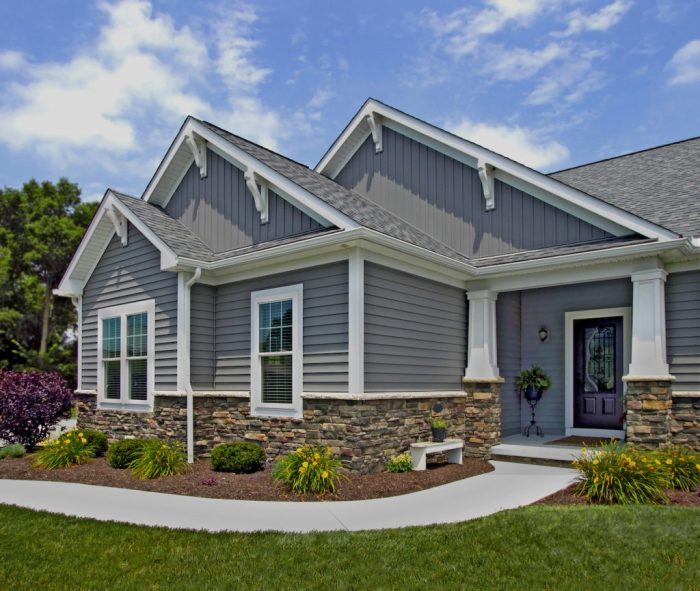
Choosing the right siding isn’t just about durability; it’s about enhancing your home’s aesthetic appeal and increasing its curb appeal. The visual impact of your siding significantly influences the overall look and feel of your property, affecting its perceived value and how it blends with its surroundings. Let’s explore how different siding materials and colors contribute to a home’s visual charm.
Aesthetic Appeal of Durable Siding Materials, Most durable house siding
Durable siding materials offer a wide range of visual possibilities. Fiber cement siding, for example, can mimic the look of wood clapboard or shingles, offering a classic, timeless appeal with the added benefit of superior durability. Vinyl siding comes in a vast array of colors and textures, from smooth surfaces to those that replicate the look of wood grain or stone. Metal siding, often made of aluminum or steel, presents a clean, modern look and can be found in a variety of colors and finishes. The natural texture and variations in color of wood siding, while requiring more maintenance, create a warm, inviting aesthetic that’s hard to match.
Visual Impact on Different Architectural Styles
The choice of siding material greatly impacts how a house’s architectural style is perceived. A Victorian home, with its intricate details and ornate trim, might be beautifully complemented by wood siding or fiber cement siding designed to mimic wood’s texture and color variations. The rich tones and varied textures would enhance the home’s historical character. Conversely, a Ranch-style home, known for its low-slung profile and emphasis on horizontal lines, often looks best with horizontal vinyl or metal siding, emphasizing the home’s clean lines and simplicity. A modern home, with its sleek lines and minimalist design, might benefit from the clean, contemporary look of metal siding in a neutral color like gray or charcoal. The smooth, untextured surface would reinforce the home’s modern aesthetic.
Impact of Siding Color Choices on Perceived Value and Curb Appeal
Siding color plays a crucial role in shaping a home’s perceived value and curb appeal. Neutral colors such as beige, gray, and white are generally considered safe choices, offering broad appeal and increasing the likelihood of resale value. These colors tend to complement a wide range of architectural styles and landscaping choices. However, bolder colors, like deep blues, greens, or reds, can create a striking visual impact, but might be a riskier choice if you plan to sell in the near future. For example, a bright red house might be striking, but it could limit the pool of potential buyers. The surrounding neighborhood’s aesthetic should also be considered. A home with a bright, contrasting color scheme might stand out in a neighborhood predominantly featuring muted tones. Conversely, a home with a color scheme that blends seamlessly with its surroundings could enhance its perceived value by creating a sense of harmony and belonging. Consider the long-term implications of your color choice before making a decision.
Conclusive Thoughts
Ultimately, selecting the most durable house siding involves carefully considering your budget, climate, aesthetic preferences, and long-term maintenance commitment. While higher upfront costs might be associated with more durable materials, the reduced need for repairs and replacements over the years can translate to significant savings. Remember that proper installation is just as crucial as material selection. By carefully weighing these factors and following the maintenance tips provided, you can ensure your siding remains a beautiful and protective asset for years to come, enhancing your home’s curb appeal and safeguarding your investment.
FAQ Summary
What is the average lifespan of different siding materials?
Lifespans vary greatly. Vinyl siding can last 20-40 years, fiber cement 50+ years, metal 40+ years, and wood 30-50 years (depending on the wood type and maintenance).
Can I install siding myself?
While DIY is possible for some types, professional installation is highly recommended for optimal durability and warranty coverage. Improper installation can lead to costly repairs down the line.
How often should I clean my siding?
Frequency depends on the material and climate. Generally, a yearly cleaning with a pressure washer (low pressure for softer materials) and a mild detergent is sufficient. More frequent cleaning may be needed in areas with heavy pollution or tree cover.
What are the signs I need siding repair?
Look for cracks, warping, fading, water damage (staining, rot), or loose panels. Address these issues promptly to prevent further damage.
What’s the best siding for a coastal climate?
Fiber cement and metal siding are excellent choices for coastal areas due to their superior resistance to moisture and salt spray.
Comments are closed.